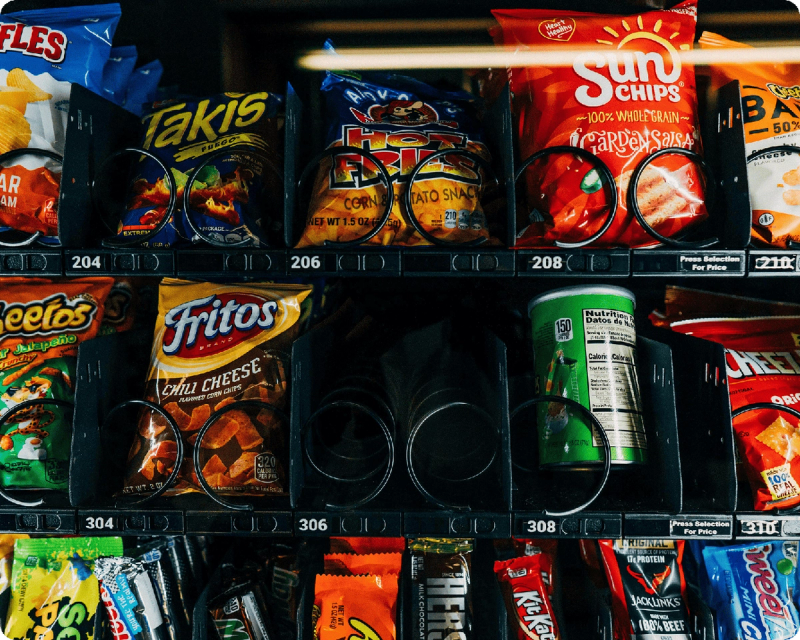
Arkansas is cutting soda, candy, and fruit drinks that contain less than half real juice from the SNAP program. The state is also evaluating "other unhealthy drinks" that will be restricted.
Colorado
Ban discontinued
Colorado has discontinued a ban that was supposed to start in October 2026. What was banned? Soft drinks, including soda, sweetened iced tea, sweetened cold coffee drinks, some sports drinks, energy drinks, and other sweetened beverages.
Florida will no longer allow SNAP to be used to buy soda, energy drinks, candy, and prepared desserts. Prepared desserts refer to pre-packaged sweets that are ready-to-eat when you buy them.
Hawaii will ban soft drinks, defined as nonalcoholic carbonated beverages that have more than 10 grams of sugar per serving (this doesn't include drinks that contain milk or milk substitutes, or drinks that are more than 50% fruit or vegetable juice).
Idaho will ban soda and candy purchases. All nonalcoholic beverages containing natural or artificial sweeteners are included under the "soda" category, except for milk-based drinks, beverages that are more than half juice, and products you need to mix or prepare before drinking.
Indiana will ban soft drinks and candy. The state has defined "soft drinks" as any non-alcoholic sweetened drinks, including drinks with sugar or artificial sweeteners, but not including milk-based drinks, soy milk, rice milk, or drinks sweetened only with 100 percent fruit or vegetable juice. The state has defined "candy" as treats made with sugar, honey, or other sweeteners mixed with chocolate, fruit, nuts, or flavorings. The definition doesn't include items that need to be kept cold.
SNAP recipients can now buy previously restricted items including soda, sweetened drinks, candy, gum, dried fruit, and some candy-coated or sweetened products.
Kansas will ban candy and soft drinks. Candy is defined as treats made with sugar, honey, or other sweeteners combined with chocolate, fruit, nuts, or flavorings. Soft drinks are nonalcoholic beverages that contain natural or artificial sweeteners.
Louisiana is banning soft drinks, energy drinks, and candy from SNAP. The state defines soft drinks as sweetened, carbonated drinks and energy drinks as beverages with added stimulants, like fortified caffeine, meant to boost energy.
Missouri will ban using SNAP on any candy, processed and pre-packaged prepared desserts, and "unhealthy drinks," which include soft drinks, lemonade, drink mixes and concentrates, and energy drinks that contain stimulants like caffeine, guarana, glucuronolactone, or taurine.
Nebraska
Restrictions lifted
SNAP recipients can now buy previously restricted items including soda, soft drinks, and energy drinks.
Nevada will ban candy and sugar-sweetened beverages. The state defines "sugar-sweetened beverages" as ready-to-drink or ready-to-mix nonalcoholic beverages that contain added caloric sweeteners, including soft drinks and fruit drinks with less than 50% real juice.
North Dakota is banning candy, soft drinks, and energy drinks containing stimulants. The restrictions also include baking supplies like cake decorations, marshmallows, and chocolate chips.
Ohio will ban sugar-sweetened beverages from SNAP purchases. These are drinks that contain added caloric sweeteners, such as sugar or high-fructose corn syrup.
Oklahoma will ban candy and soft drinks. Candy is defined as any sweet, sugar, or chocolate-based treat, like gummies, caramels, and chewing gum. Baked goods, like cookies or cake, are not considered "candy."
South Carolina
Aug 31, 2026
South Carolina will ban candy, energy drinks, soft drinks, and "sweetened beverages," unless they're made with milk or milk products or contain 50% or more natural fruit or vegetable juice, with no added caloric sweetener. Formula, carbonated water, sports drinks meant for rehydration, and drinks intended for necessary nutrition or rehydration after an illness (like Pedialyte) are also not part of the ban.
Tennessee
Won't take effect
The ban that was supposed to start in July 2026 won't go into effect. The proposed ban was on certain processed foods and drinks, including some items with added sugar as a primary ingredient, and certain sweetened carbonated beverages.
Texas is banning the use of SNAP benefits to buy sweetened drinks and candy, including chocolate, gum, and other sugary treats. Sweetened drinks refer to "nonalcoholic beverages made with water that contain five grams or more of added sugar or any amount of artificial sweetener."
Utah will ban soft drinks, which the state is defining as "a nonalcoholic beverage that is made with carbonated water and that is flavored and sweetened with sugar or artificial sweeteners."
Virginia will ban sweetened beverages. That includes anything typically referred to as soda, diet soda, zero soda, pop, and energy drinks. The ban will not include sparkling water, drinks made with milk or milk substitutes, iced tea, lemonade, juice, formula, or any sports drinks meant for rehydration.
West Virginia
Restrictions lifted
SNAP recipients should now be able to buy previously restricted drinks including soda and other sweetened, flavored carbonated drinks.
Wyoming will ban sweetened, carbonated beverages from SNAP purchases. These are defined as carbonated drinks that contain added sweeteners, such as sugar or artificial sweeteners.