Is there tax on groceries?

At a glance
- Most states don’t charge tax on basic groceries, although local taxes may still apply in some areas.
- Prepared food and restaurant food are almost always taxed in every state.
- Federal law prohibits sales tax on anything bought with SNAP.
Yes and no. There is generally no federal tax on groceries in the United States.
But whether you see a tax charge on your receipt depends on your state’s specific laws, the type of food you are buying, and your method of payment.
Most of the country treats "staple" foods—like produce, meat, and dairy—as tax-exempt essentials, but a small number of states still collect a grocery tax at the state or local level.
Propel is the #1-rated EBT balance checking app
Grocery tax by state#grocery-tax-by-state
Most of the U.S. does not have a state-wide grocery tax. However, some states tax groceries at either the full state sales tax rate or a reduced rate (and local taxes may still apply in certain areas).
For example, a state might have a 6% general sales tax but only charge 1% on groceries.
If you live in one of the following states, you’ll likely see a sales tax on your groceries:
- Full state rate: Hawaii, Idaho, Mississippi, and South Dakota
- Reduced state rate: Alabama, Missouri, Tennessee, and Utah
- Local taxes only: Even if your state doesn’t tax food at the state-level, some cities or counties (like those in Georgia, Louisiana, and North Carolina) may add their own local tax.
Alabama
2% tax rate
Alabama
2% tax rate
Alaska
No state grocery tax
Alaska
No state grocery tax
Arizona
No state grocery tax
Arizona
No state grocery tax
Arkansas
No state grocery tax
Arkansas
No state grocery tax
California
No state grocery tax
California
No state grocery tax
Colorado
No state grocery tax
Colorado
No state grocery tax
Connecticut
No state grocery tax
Connecticut
No state grocery tax
Delaware
No state grocery tax
Delaware
No state grocery tax
Florida
No state grocery tax
Florida
No state grocery tax
Georgia
No state grocery tax
Georgia
No state grocery tax
Guam
No state grocery tax
Guam
No state grocery tax
Hawaii
4% tax rate
Hawaii
4% tax rate
Idaho
6% tax rate
Idaho
6% tax rate
Illinois
No state grocery tax
Illinois
No state grocery tax
Indiana
No state grocery tax
Indiana
No state grocery tax
Iowa
No state grocery tax
Iowa
No state grocery tax
Kansas
No state grocery tax
Kansas
No state grocery tax
Kentucky
No state grocery tax
Kentucky
No state grocery tax
Louisiana
No state grocery tax
Louisiana
No state grocery tax
Maine
No state grocery tax
Maine
No state grocery tax
Maryland
No state grocery tax
Maryland
No state grocery tax
Massachusetts
No state grocery tax
Massachusetts
No state grocery tax
Michigan
No state grocery tax
Michigan
No state grocery tax
Minnesota
No state grocery tax
Minnesota
No state grocery tax
Mississippi
5% tax rate
Mississippi
5% tax rate
Missouri
1.225% tax rate
Missouri
1.225% tax rate
Montana
No state grocery tax
Montana
No state grocery tax
Nebraska
No state grocery tax
Nebraska
No state grocery tax
Nevada
No state grocery tax
Nevada
No state grocery tax
New Hampshire
No state grocery tax
New Hampshire
No state grocery tax
New Jersey
No state grocery tax
New Jersey
No state grocery tax
New Mexico
No state grocery tax
New Mexico
No state grocery tax
New York
No state grocery tax
New York
No state grocery tax
North Carolina
No state grocery tax
North Carolina
No state grocery tax
North Dakota
No state grocery tax
North Dakota
No state grocery tax
Ohio
No state grocery tax
Ohio
No state grocery tax
Oklahoma
No state grocery tax
Oklahoma
No state grocery tax
Oregon
No state grocery tax
Oregon
No state grocery tax
Pennsylvania
No state grocery tax
Pennsylvania
No state grocery tax
Puerto Rico
No state grocery tax
Puerto Rico
No state grocery tax
Rhode Island
No state grocery tax
Rhode Island
No state grocery tax
South Carolina
No state grocery tax
South Carolina
No state grocery tax
South Dakota
4.2% tax rate
South Dakota
4.2% tax rate
Tennessee
4% tax rate
Tennessee
4% tax rate
Texas
No state grocery tax
Texas
No state grocery tax
Utah
3% tax rate
Utah
3% tax rate
Vermont
No state grocery tax
Vermont
No state grocery tax
Virginia
No state grocery tax
Virginia
No state grocery tax
Washington
No state grocery tax
Washington
No state grocery tax
Washington D.C.
No state grocery tax
Washington D.C.
No state grocery tax
West Virginia
No state grocery tax
West Virginia
No state grocery tax
Wisconsin
No state grocery tax
Wisconsin
No state grocery tax
Wyoming
No state grocery tax
Wyoming
No state grocery tax
As of February 2026, here is how the 50 states handle sales tax on groceries:
| Tax category | States |
|---|---|
| No state or local grocery tax | Delaware, Montana, New Hampshire, Oregon |
| No state grocery tax, but local taxes may apply | Alaska, Arizona, Arkansas, California, Colorado, Connecticut, Florida, Georgia, Illinois, Indiana, Iowa, Kansas, Kentucky, Louisiana, Maine, Maryland, Massachusetts, Michigan, Minnesota, Nebraska, Nevada, New Jersey, New Mexico, New York, North Carolina, North Dakota, Ohio, Oklahoma, Pennsylvania, Rhode Island, South Carolina, Texas, Vermont, Virginia, Washington, West Virginia, Wisconsin, Wyoming |
| Full state tax rate on groceries | Hawaii (4%), Idaho (6%), Mississippi (5%), South Dakota (4.2%) |
| Reduced state tax rate on groceries | Alabama (2%), Missouri (1.225%), Tennessee (4%), Utah (3%) |
Is there tax on restaurant food?#is-there-tax-on-restaurant-food
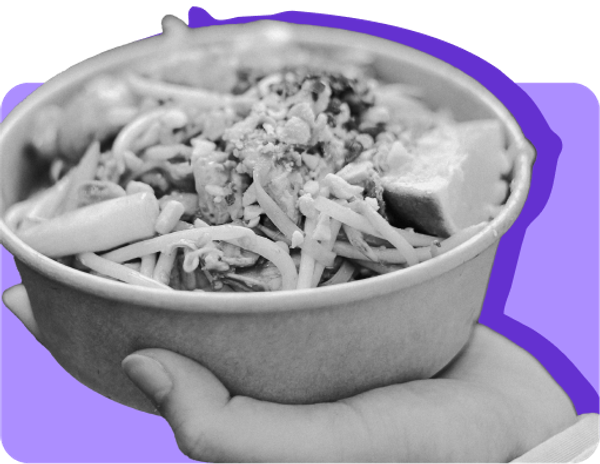
Yes. Even in states where basic groceries are tax-free, you will almost always pay a prepared food tax on restaurant meals, takeout, and delivery. The general rule of thumb is that if someone else cooked the food for you to eat right away, or if it is sold hot, it is considered taxable.
This includes sit-down and fast-food meals, as well as hot items from a grocery store deli, such as rotisserie chickens, salad bars, or a sandwich made for you at the counter.
Even if your state doesn't tax a loaf of bread, it will likely tax that same bread if it’s toasted and served to you as part of a meal.
What counts as prepared food?#what-counts-as-prepared-food
The line between "groceries" and "prepared food" can be blurry. States generally use three "triggers" to decide if an item should be taxed as a prepared meal:
- The heating test: If the store heats the food for you, it is taxable.
- Example: A frozen pizza is a tax-free grocery, but a hot slice of pizza is prepared food.
- The combination test: If the store mixes two or more ingredients together to sell as one meal, it is often taxable.
- Example: A head of lettuce is a grocery, but a bowl of salad from the deli bar is prepared food.
- The utensil test: If the store provides the tools for you to eat the food right away, it triggers the tax.
- Example: A pre-packaged sandwich in a sealed box is a grocery. However, if the store hands you that same sandwich on a plate with a fork or napkin, it is now prepared food.
Be aware that convenience store items, candy, and soda are often subject to full sales tax even in states where grocery staples are exempt.
Can stores charge sales tax on food stamps?#can-stores-charge-sales-tax-on-food-stamps
No, federal law prohibits states or local governments from charging sales tax on any food items purchased with SNAP benefits. If you pay for your entire grocery trip with food stamps, you will pay $0 in tax, even in states that still have a grocery tax.
When you might see a tax charge:
While the food itself is tax-free, there are three common situations where you’ll need to pay with cash or another alternative form of payment:
- Manufacturer coupons: You can use coupons with an EBT card, but coupons are treated like cash. SNAP can cover the food, but it cannot be used to pay the sales tax on the value of a coupon. You'll need to pay the sales tax using another form of payment, like cash or debit.
- Mixed transactions: If you buy a mix of eligible and non-SNAP-eligible items (like paper towels or vitamins), and pay with your EBT card and cash, you will still need to pay full sales tax on the non-food portion of your receipt.
- Fees: SNAP generally covers mandatory state fees, like bottle deposits (CRV). However, it cannot be used for optional fees like grocery bag charges or delivery fees. You will need to pay for those separately.
How it works for TANF (cash assistance)
When you use cash EBT (also known as TANF), the rules are different. Since TANF is essentially cash, sales tax does apply to your purchases just like it would with a normal debit card or cash payment.
Paying with RMP benefits
If you are eligible for the Restaurant Meals Program (RMP)—typically available to seniors, people with disabilities, or those experiencing homelessness—you can use your SNAP benefits at participating restaurants.
In most cases, restaurants are not allowed to charge sales tax on RMP-eligible meals paid with SNAP.