Will I lose my Medicaid if I get Medicare?
Our editorial promise
All of our Propel editorial content meets our high bar for accuracy, timeliness, trust, and relevance. Our pages are edited and fact-checked to make sure we meet our mission of giving you information you can rely on.
Learn more about our editorial standards.

No, enrolling in Medicare does not mean you'll lose your Medicaid coverage. As long as you still meet your state's eligibility requirements, you can have both at the same time. More than 12.5 million people in the U.S. do—this is called being " dual eligible."
That said, the rules around dual eligibility can get complicated, and every state is a little different.
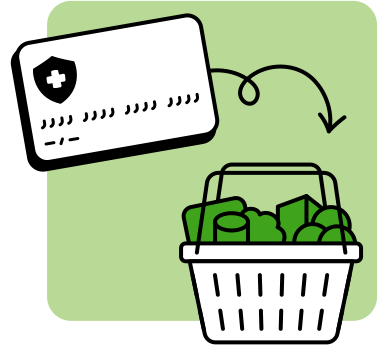
Have Medicare and Medicaid? Some health plans help pay for food.
How do Medicare and Medicaid work together?#how-do-medicare-and-medicaid-work-together
When you have both, the programs divide up your medical bills. Medicare pays first, covering its share of your costs. Medicaid steps in after that to help cover what's left, like copays, deductibles, and coinsurance. In some states, Medicaid also covers services Medicare doesn't, like long-term nursing home care, dental care, eyeglasses, hearing aids, and transportation to medical appointments.
One important note on prescriptions: neither program automatically includes drug coverage. Once you're on Medicare, you'll need to sign up for a Medicare Part D plan to cover your prescriptions. The good news is that dual-eligible individuals automatically qualify for the Medicare Extra Help program, which significantly lowers Part D premiums, deductibles, and copays. If you don't choose a Part D plan on your own, the Centers for Medicare & Medicaid Services (CMS) will select one for you, though it's worth comparing plans yourself since coverage and preferred pharmacies vary. Medicare's Plan Finder at medicare.gov is a good place to start.
One more thing to be aware of: if you had Medicaid before turning 65, some programs don't automatically continue past that age. Rules vary by state and by program, so check with your state's Medicaid office before you turn 65 so you're not caught off guard. If you no longer qualify for Medicaid after enrolling in Medicare, a Medicare Savings Program may be able to help cover your Medicare premiums, deductibles, and copayments based on your income and assets.
Are there plans built for people with both Medicare and Medicaid?#are-there-plans-built-for-people-with-both-medicare-and-medicaid
Yes, Dual Eligible Special Needs Plans (D-SNPs) are a type of Medicare Advantage plan designed specifically for people who qualify for both programs. They combine your Medicare and Medicaid benefits into one plan and often include extra support like a care coordinator who helps you manage your benefits and navigate the healthcare system. D-SNPs aren't available everywhere, but if one is offered in your county, it may be worth looking into.
What's the difference between Medicare and Medicaid?#whats-the-difference-between-medicare-and-medicaid
Medicaid and Medicare sound similar, but they serve different groups of people and work in work in different ways.
Medicare#medicare
- Run by the federal government
- Covers adults 65 and older, and younger people with certain disabilities
- Costs are the same no matter where you live. Original Medicare (Part A and Part B) covers about 80 percent of your healthcare costs. You can add more coverage—like Part C, Part D, or Medigap—to help with the remaining out-of-pocket costs.
Medicaid#medicaid
- Run jointly by the federal government and each state
- Covers people with low incomes and limited resources, including children, parents, older adults, and people with disabilities. Eligibility rules and covered benefits vary, depending on where you live.
- Costs are minimal; most people with Medicaid pay little or nothing for covered services like doctor visits, hospital stays, and prescriptions.
How do you apply for Medicare and Medicaid?#how-do-you-apply-for-medicare-and-medicaid
You'll need to apply for each program separately.
For Medicare, you can apply through the Social Security Administration at ssa.gov. Most people are automatically enrolled when they turn 65 if they're already receiving Social Security benefits.
For Medicaid, the process depends on your state. You can check whether you qualify and start an application at healthcare.gov, or contact your state's Medicaid office directly. Your State Health Insurance Assistance Program (SHIP) can also offer free, one-on-one help sorting through your options and choosing the right plans for your situation.