What services are provided through WIC?


The Special Supplemental Nutrition Program for Women, Infants, & Children (usually just called WIC) helps millions of families access healthy food, nutrition, and support during pregnancy and early childhood.
But WIC offers much more than groceries: If you’re pregnant, recently had a baby, or have young children, applying for WIC can help your family access nutrition, education, breast feeding support, free supplies, and more.
Here’s a full look at the services WIC provides and how the program supports families.
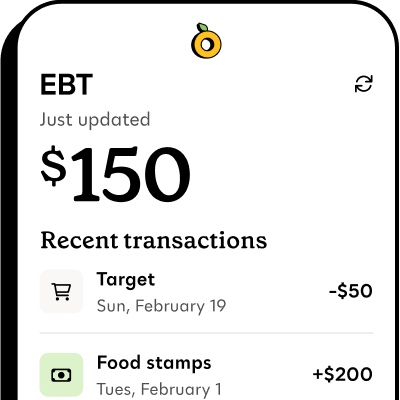
Propel is the #1-rated EBT balance checking app
1. Monthly food benefits#1-monthly-food-benefits
All WIC participants receive monthly food benefits deposited on a special electronic benefits card (eWIC). If you also get SNAP on an EBT card, your WIC card will be separate.
These benefits are designed to supplement your household’s food budget. eWIC cards work like debit cards at grocery stores that accept WIC and can be used to purchase specific pre-approved foods.
Your pre-approved WIC foods will be a monthly food benefits package tailored to your situation (pregnancy status, breastfeeding status, allergies or dietary restrictions, infant feeding needs, and child ages).
Brands, sizes, and availability will vary by state and location, but food packages commonly include:
- Fruits and vegetables (fresh, frozen, or canned)
- Milk, cheese, yogurt, and eggs
- Whole-grains like bread, cereal, rice, or pasta
- Proteins like beans, lentils, and peanut butter
- Infant formula and baby food when medically or nutritionally necessary
2. Health screenings and nutrition assessments#2-health-screenings-and-nutrition-assessments
WIC participants get basic health screenings and nutrition assessments as part of the application and renewals. These screenings help WIC staff understand your families nutritional needs and develop the right food package for you.
These screenings are not medical exams, but they can help identify risks for malnutrition or unexpected growth patterns in infants and children. How often these screenings occur (and if they are available at all) will vary by state and local WIC office.
3. Free breastfeeding support#3-free-breastfeeding-support
Breastfeeding support is available to all WIC participants who are pregnant, postpartum, or breastfeeding. WIC offices determine breastfeeding support based on participant needs, medical considerations, and available resources, but WIC can provide:
- Assessment of breastfeeding and pumping needs
- Breastfeeding education and counseling
- Support from trained WIC staff (like lactation specialists and peer counselors)
- Access to free breast pumps (loaned or to keep), but specific types, timing of delivery, and availability of equipment varies by state and local WIC office
4. Support for infants and young children#4-support-for-infants-and-young-children
WIC provides targeted support for infants and children from birth through age five, and the services change as your child grows. Support for infants and children can include:
- Infant food packages, including formula or baby food when needed
- Support for transitioning from formula or breast milk to solid foods
- Age-specific food packages for children
- Growth monitoring and nutrition guidance
- Additional support for children with special dietary needs
5. Health and community resources#5-health-and-community-resources
The WIC program also serves as a connector, helping families find other health and social services that can support their well-being.
When you participate in WIC, your case manager will assess your needs and offer information on additional services or programs you may benefit from, including:
- Medicaid or CHIP (health insurance for low-income families)
- TANF (also called cash EBT, this is temporary cash assistance to help pay for necessities)
- SNAP (also called food stamps, this is money to spend on eligible groceries)
- Healthcare providers, behavioral healthcare, and immunization services
- Early childhood programs, like Head Start
- Housing, childcare, or transportation resources
- Community-specific support services
Each local WIC office will have its own local partnerships and referral programs, so availability will vary depending on where you live. Referrals to other programs or services will not affect your WIC eligibility or screening process.