How to make the most of your $120 Summer EBT benefit, according to a registered dietitian
Our editorial promise
All of our Propel editorial content meets our high bar for accuracy, timeliness, trust, and relevance. Our pages are edited and fact-checked to make sure we meet our mission of giving you information you can rely on.
Learn more about our editorial standards.

Summer EBT, also called SUN Bucks, provides eligible families with $120 per child to help cover food costs when school is out, and students lose access to breakfast and lunch programs. The dollar amount is higher for families in Hawaii and U.S. territories.
We asked Sasha Chamberlain, a registered dietitian nutritionist (RDN) who has spent her career working in federal nutrition programs, including Summer EBT, SNAP, and school meals, for advice on making the most of your $120 benefit this summer.
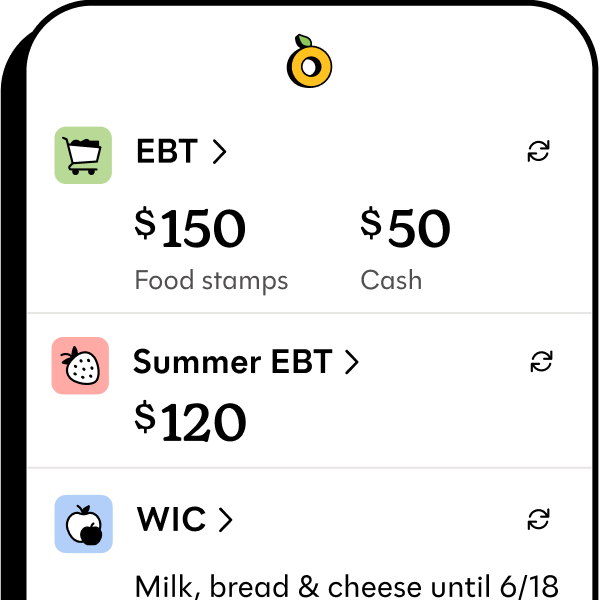
Get the latest on Summer EBT and track your balance with Propel
Why summer is a harder season for kids’ nutrition#why-summer-is-a-harder-season-for-kids-nutrition
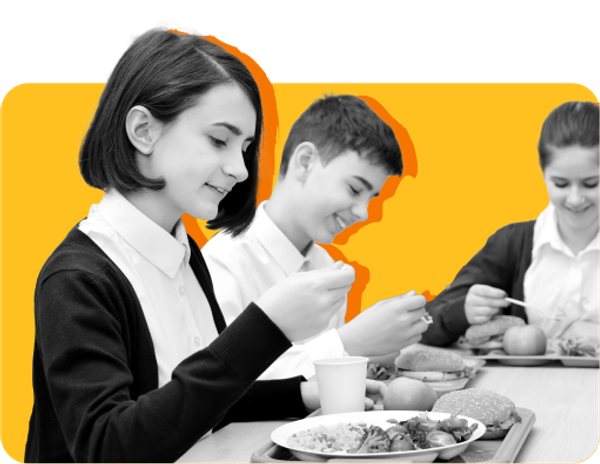
School breakfast and lunch programs serve about 30 million children every school day. Those meals have to meet strict USDA nutrition standards, including serving whole grains, fruit, vegetables, protein foods, and milk. When summer starts, that daily access stops.
“Think about school cafeterias as the nation’s largest restaurant chain,” Chamberlain says. “And then imagine that restaurant chain closing for three months. Regular customers (the students) miss out on the reliable, healthy meals they enjoyed (often for free) five days a week for nine months.”
Without that structure, research shows kids eat less fruit, vegetables, and milk during the summer days, and are more likely to rely on fast food and sweetened drinks.
The $120 Summer EBT benefit gives families more to work with, and spending it with nutrition in mind is the best way to make it count.
3 ways to shop with intention#3-ways-to-shop-with-intention
Summer EBT is a supplement, not a full grocery budget, so being intentional with how you spend it matters.
"Families on SNAP know that grocery budgets can feel tighter at the end of the month," Chamberlain says. "Without careful planning, the end of the summer might feel similar. Make a plan, and be intentional with the extra funds.”
Getting “extra” benefits might make it seem like it's time for a splurge, but remember that Summer EBT is only $120 per child per summer and not $120 per month.
1. Build your pantry base first#1-build-your-pantry-base-first
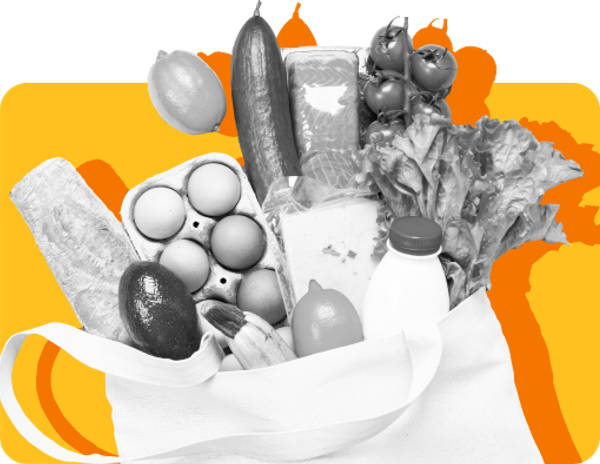
Running low on everything at once? That’s when grocery bills really add up. Chamberlain recommends spending part of your benefit early on non-perishable staples. When you already have the basics on hand, grocery trips cost less. This strategy frees up your remaining budget throughout the summer for items that spoil faster, like milk, eggs, fresh produce, and meat.
Kitchen staples to stock up on: rice, flour, pasta, oats, cereal, canned or dried beans, frozen fruit and vegetables, peanut butter, nuts, canned fish, cooking oils, sauces, and seasoning.
2. Take advantage of summer produce#2-take-advantage-of-summer-produce
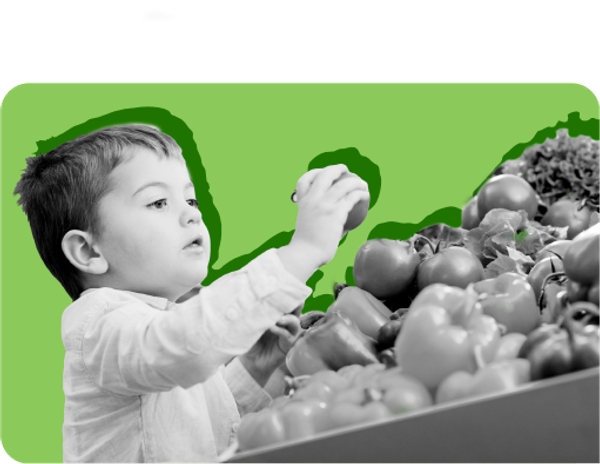
Summer is one of the best and most affordable times to buy fresh fruits and vegetables because more options are in season and prices tend to be lower. Some options include:
Fruits
- Berries
- Cantaloupe
- Cherries
- Nectarines
- Peaches
- Plums
- Watermelon
Vegetables
- Beets
- Corn
- Cucumbers
- Eggplant
- Fresh herbs
- Green beans
- Peppers
- Salad greens
- Squash
- Tomatoes
- Zucchini
“Don’t worry about which fruits or vegetables are healthier,” Chamberlain says. “Just eat them. Lots of them.”
Her tip for maximizing nutrition: follow the “eat a rainbow” rule. Fruits and vegetables of different colors offer different nutrients, so daily consumption and variety are the goals.
Stretch your dollars further at the farmers market
Programs like Double Up Food Bucks, Fresh Match, and Market Match give you bonus dollars when you buy fresh produce at farmers markets and some grocery stores.
@thepropelapp Have you used this program? 🌽 Maximize your EBT benefits with Double Up Food Bucks at select farmers markets and grocery stores to get twice the fruits and veggies this summer. 👉 Find a participating location near you at doubleupamerica.org #providersapp #ebt #snap #ebtbenefits #ebtiktok #foodstamps #ebtcard #summer2024 #savemoney #moneytips #farmersmarket #budgetfriendly #grocerytips #shoplocal
♬ A Cup of Coffee - Muspace Lofi
3. Choose proteins that work across multiple meals#3-choose-proteins-that-work-across-multiple-meals
These are Chamberlain’s go-to affordable proteins for summer, each versatile enough to stretch across breakfast, lunch, snack, and dinner.
| Protein | Ideas |
|---|---|
| Eggs | Breakfast: scrambled with toast and fruit Lunch: egg salad with whole grain crackers and a smoothie Snack: hard-boiled egg with carrots and dip Dinner: fried egg served over pasta with garlic and veggies |
| Beans and lentils | Breakfast: pinto bean and egg breakfast tacos Lunch: cold grain salad with cannellini beans and veggies Snack: hummus (made from garbanzo beans) with veggies Dinner: fried rice with edamame (soy beans) |
| Peanut butter | Breakfast: PB, fruit, and yogurt smoothie Lunch: PB and banana sandwich with milk Snack: ants on a log (peanut butter + celery + chocolate chips) Dinner: peanut butter noodles (recipe) with broccoli |
How to plan balanced meals when kids are home all day#how-to-plan-balanced-meals-when-kids-are-home-all-day
During the school year, many families only need to plan and shop for dinner. But summer changes that. You need more food: more breakfast options, more lunch options, snacks, and easy dinners to pull together when it’s hot and everyone is tired.
Before you stock up, ask your kids what they’ve been eating at school this year and what foods they like. You may be surprised to find their preferences have changed. A quick conversation can surface new ideas and help you avoid buying things the kids won’t eat.
Here are some other practical ways to build a balanced meal plan during the summer months.
Breakfast#breakfast
A healthy breakfast is important, but don’t let it stress you out. Here are some simple, balanced breakfast ideas to fuel your kids for busy summer days:
- Eggs with toast and fruit
- Whole-grain cereal with milk and berries
- Yogurt with granola and sliced fruit
- Peanut butter on whole-grain toast with a smoothie
Lunch#lunch
Having simple, prepared, or ready-to-assemble options on hand makes it easier for kids to eat something balanced on days they are home for lunch.
If you have older kids, a simple “menu” posted in the kitchen lets them make their own choices and take responsibility for preparing the meal themselves.
Here are some easy lunch ideas kids can put together solo:
- PB&J + peach slices + milk
- Cheese and bean quesadilla + cucumber slices + melon
- Cheese and crackers + fruit smoothie
- Turkey roll-ups + carrots + hummus
- Tortilla chips + bean dip + salsa
- Dumplings + edamame
- Whole grain cereal + milk + berries
Dinner#dinner
Start by shopping in your fridge, freezer, and pantry. Plan around what spoils first, then fill in the gaps with what’s on sale.
For a low-effort summer dinner, Chamberlain leans on cookout-style meals: grilled meats or seafood paired with in-season fruits and veggies and cold salads. Think barbecue chicken thighs with corn on the cob, sliced watermelon, and a potato or pasta salad. “This is a winning menu,” Chamberlain says. “It's fresh, easy, and full of kid favorites.”
She's also a fan of kebabs. Layering in vegetables like onions, peppers, and mushrooms will stretch a meat purchase further. Serve with couscous and a quick and refreshing tomato, cucumber, and chickpea salad.
On nights when you have less energy, breakfast for dinner works: a quick egg and veggie scramble with toast, or cereal with fruit and milk.
If you’re having a frozen entrée, Chamberlain recommends rounding it out with fruits and vegetables.
Stuck on what to make?
Try using AI for meal planning. Chamberlain recommends being specific. Give it your budget, what you already have, what store you shop at, and any food or cooking preferences.
Something like: "Help me plan three easy, kid-friendly weeknight dinners using the chicken, canned tomatoes, carrots, and rice I already have, that won't cost me more than $25 to get the missing ingredients.”
Snacks#snacks
With kids home all day, snacking can quickly eat away at the budget. Chamberlain emphasizes that it's normal and healthy to eat snacks between meals, but to keep kids full longer, think of them as mini meals. Ideally, snacks should provide a mix of fiber, fat, and protein.
For example, instead of a big bowl of pretzels, try a small bowl with apple slices and peanut butter. Instead of a large bag of chips, swap for a small bag alongside a fruit and yogurt smoothie.
Research shows kids eat more frozen desserts in summer than at any other time of year, so having a healthier option ready when kids ask for a cold treat helps. Try offering your kids frozen bananas, mango, or grapes.
Buy in bulk and portion at home
When shopping for snack foods, remember to check prices and portion out food at home to save money. You can often get a better deal on a large tub of Greek yogurt compared to buying individual cups, or on large bags of nuts or dried fruit instead of individual bags of premixed trail mix.
Drinks#drinks
“Skip the sodas and energy drinks and keep healthy beverage options on hand for your kids this summer instead,” advises Chamberlain. “Sugary drinks can drain your benefit dollars and are bad for your health when consumed regularly.” Remember, many states have banned sugary beverages from SNAP purchases, which means they are also ineligible for Summer EBT.
Better choices: water, milk, and 100% juice in small amounts or mixed with sparkling water.
If your kids want lemonade or sweet tea, make it at home and use half the sugar. Add fresh or frozen fruit to boost the flavor without adding sweetness.
Get kids involved#get-kids-involved
Adults shouldn’t be the only ones planning, budgeting, and preparing meals. Research has shown that kids who learn to cook at a young age are more likely to have healthier eating habits as adults.
Summer, with its more flexible schedule, could be a good time to start getting kids involved in the kitchen and with meal planning.
- Younger kids can help portion snacks for the week or assemble PB&J sandwiches to freeze. Letting kids read and follow a recipe and measure ingredients is also a great way for them to practice literacy and math skills over summer break.
- Older kids can learn to make tuna or chicken salad, bake muffins, or get dinner started before adults are home from work.
It’s also a great time for kids to practice budgeting and decision-making. If a Summer EBT card arrives with your child’s name on it, kids might think it’s their opportunity to shop for themselves and buy all their favorite sweets and treats. Use it as a teaching moment. Walk through the food groups together and let them help pick a variety of foods they'll actually eat.
Don’t overlook free summer meals#dont-overlook-free-summer-meals
The USDA’s SUN Meals program is another great resource for families. Schools, libraries, and community organizations across the country serve free breakfast and lunch to any child 18 and under when school is out. No application needed, no proof of age required. Just show up.
These free meals are in addition to Summer EBT benefits.
In some rural communities, free summer meals are delivered or provided to-go, easing the burden on families even more. If the site offers bulk meals, families can pick up a week’s worth of breakfast and lunch for their kids. Ask your school or SNAP office how to find meal sites near you, or check the USDA Summer Meals site finder tool.

About our nutrition expert
Sasha Chamberlain is a registered dietitian nutritionist (RDN) with 14+ years of experience in nutrition policy, education, and programs at the federal, state, and local levels. She is the first dietitian to partner with Propel, bringing deep expertise in the programs millions of users depend on daily.
Sasha spent most of her career at USDA Food and Nutrition Administration, supporting SNAP, school meals, MyPlate, and more, and served as Associate Director of Let's Move! at the Obama White House. In 2025, she launched Chamberlain Nutrition Consulting LLC, providing evidence-based nutrition consulting to nonprofits, foundations, and mission-aligned partners.
Follow her on Instagram @eggsandavocados.