Does a tax refund count as income for food stamps (SNAP)?
Our editorial promise
All of our Propel editorial content meets our high bar for accuracy, timeliness, trust, and relevance. Our pages are edited and fact-checked to make sure we meet our mission of giving you information you can rely on.
Learn more about our editorial standards.

No, a tax refund does not count as income for SNAP (also called food stamps).
SNAP looks at income from things like wages, Social Security, and unemployment benefits when determining whether you’re eligible and how much you’ll get every month. A tax refund isn’t treated as income because it’s a one-time payment, not money you get on a regular basis.
Bottom line: Receiving a tax refund will not reduce your SNAP benefits or make you ineligible except for some very specific circumstances. Here’s what you need to know about food stamps and taxes.
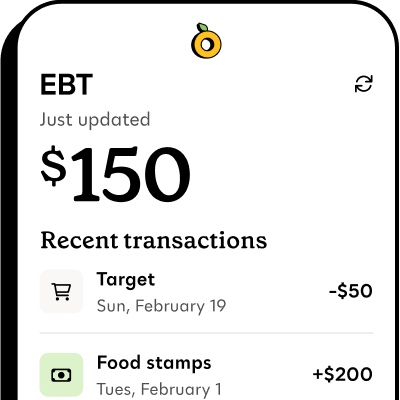
Propel is the #1-rated EBT balance checking app
When could a tax refund lower your SNAP benefits?#when-could-a-tax-refund-lower-your-snap-benefits
While tax refunds are generally not counted as income, there are a few situations where a refund could temporarily affect your SNAP benefits.
For example, if you receive a large refund and keep most of it in your bank account for one year, some states may count it as an asset. This could push your total resources above the state’s limit and affect your benefits. But since most states don’t have asset limits, this only matters in a few places.
Similar rules may apply to programs like TANF or Medicaid, which sometimes consider assets when determining eligibility.
Do food stamps affect your taxes?#do-food-stamps-affect-your-taxes
No, the money you get from food stamps is nontaxable income, which means you don't need to report it on your federal or state tax returns.
Here's what that means in practice:
- No reporting required: You do not include SNAP benefits as income when filing taxes.
- Refunds aren’t affected: Getting SNAP benefits will not lower your federal or state tax refund.
- Tax credits aren’t affected: SNAP benefits do not affect your eligibility for tax credits like the Earned Income Tax Credit.
- Benefits don’t affect what you owe: Having SNAP will not increase the taxes you owe.
Does SNAP look at your tax returns?#does-snap-look-at-your-tax-returns
No, SNAP does not automatically review every household’s full tax return. However, SNAP agencies may use tax information to verify income and assets, particularly for self-employed applicants or to confirm reported earnings.
Systems like the Income and Eligibility Verification System (IEVS) allow SNAP agencies to check information against the IRS, Social Security Administration, and state databases.
It’s important to report accurate income to SNAP, as these tools help agencies verify the information you provide and make sure you’re getting the right benefit amount.
Free tax filing options for SNAP recipients#free-tax-filing-options-for-snap-recipients
Low- and moderate-income taxpayers who get SNAP may qualify for free tax filing through the IRS and volunteer programs like GetYourRefund.
Learn more about free online tax filing for low-income Americans.