Food stamps and junk food bans: What you need to know
Our editorial promise
All of our Propel editorial content meets our high bar for accuracy, timeliness, trust, and relevance. Our pages are edited and fact-checked to make sure we meet our mission of giving you information you can rely on.
Learn more about our editorial standards.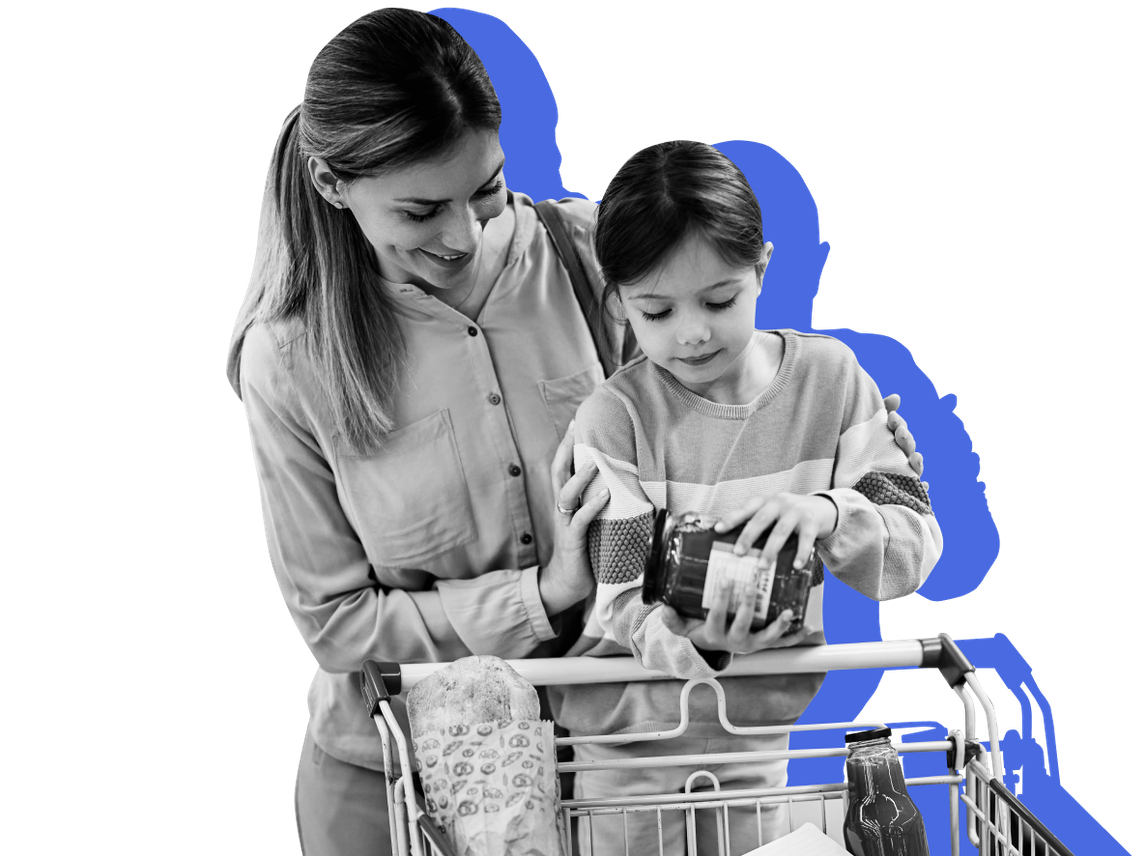


Food stamps, technically called SNAP, is a benefit program that allows recipients to use their benefits to buy any eligible groceries.
That includes things like fruits, vegetables, meat, beans, grains, cereal, and foods sometimes considered “junk foods,” including soda, chips, cookies, pretzels, energy drinks, and candy.
But some states are changing the rules about what you can buy with SNAP starting in 2026, and banning SNAP-recipients from using their benefits to buy certain “junk foods.”
Several other states are also reconsidering whether SNAP benefits can be used to buy candy, soft drinks, and other processed foods. Here's what you need to know about upcoming SNAP restrictions on certain foods and drinks.
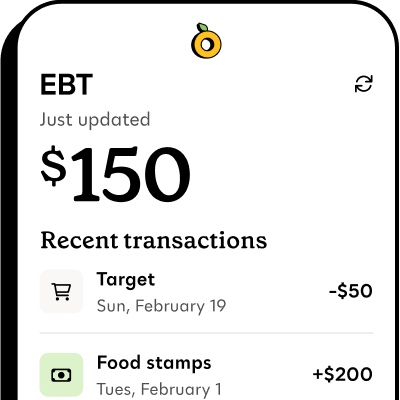
Propel is the #1-rated EBT balance checking app
What junk food can you buy with food stamps?#what-junk-food-can-you-buy-with-food-stamps
In most places, you can use your SNAP benefits to buy pretty much any food in the grocery store—SNAP basically allows purchase of anything with a “nutrition facts” label.
That includes staples like produce, dairy, grains, meat, seafood, beans, and nuts, as well as snack foods and treats like chips, candy, popcorn, soda, chocolate, cookies, and ice cream.
But starting in 2026, some states will ban specific items from SNAP purchases. The most common restrictions include:
- Soda and soft drinks: This includes regular soda, diet soda, and carbonated beverages. Some states will also restrict energy drinks, fruit drinks with less than 50 percent natural juice, and other sweetened beverages
- Candy: Hard candy, chocolate bars, gum, and other confections will be ineligible for EBT in several states
- Snack foods: Some states are considering banning chips, cookies, and other packaged snacks from SNAP, though specific rules vary by state
- Frozen convenience foods: While basic frozen fruits and vegetables remain covered, some prepared frozen meals may face restrictions
Each state has different rules about what counts as restricted food, so what you can and can’t buy will depend on where you live.
If your state hasn’t added specific food restrictions to SNAP, then you’ll still be able to use food stamps to buy treats like soda and candy.
Which states are changing SNAP rules about junk food?#which-states-are-changing-snap-rules-about-junk-food
The federal government hasn’t changed what groceries you can buy with SNAP benefits nationwide, but some states have received permission to create their own restrictions around certain foods.
As of March 2026, 22 states now have approval to limit what you can buy with SNAP benefits:
Alabama
No bans or restrictions
Alabama
No bans or restrictions
Alaska
No bans or restrictions
Alaska
No bans or restrictions
Arizona
Ban proposed
Arizona
Ban proposed
Arkansas
Ban in place as of 7/1/26
Arkansas
Ban in place as of 7/1/26
California
No bans or restrictions
California
No bans or restrictions
Connecticut
No bans or restrictions
Connecticut
No bans or restrictions
Delaware
No bans or restrictions
Delaware
No bans or restrictions
Georgia
Ban proposed
Georgia
Ban proposed
Guam
No bans or restrictions
Guam
No bans or restrictions
Hawaii
Ban in place as of 8/1/26
Hawaii
Ban in place as of 8/1/26
Illinois
No bans or restrictions
Illinois
No bans or restrictions
Kansas
Ban in place as of 2/15/27
Kansas
Ban in place as of 2/15/27
Kentucky
No bans or restrictions
Kentucky
No bans or restrictions
Maine
No bans or restrictions
Maine
No bans or restrictions
Maryland
No bans or restrictions
Maryland
No bans or restrictions
Massachusetts
No bans or restrictions
Massachusetts
No bans or restrictions
Michigan
Ban proposed
Michigan
Ban proposed
Minnesota
No bans or restrictions
Minnesota
No bans or restrictions
Mississippi
Ban proposed
Mississippi
Ban proposed
Missouri
Ban in place as of 10/1/26
Missouri
Ban in place as of 10/1/26
Montana
Ban proposed
Montana
Ban proposed
Nevada
Ban in place as of 2/1/28
Nevada
Ban in place as of 2/1/28
New Hampshire
No bans or restrictions
New Hampshire
No bans or restrictions
New Jersey
No bans or restrictions
New Jersey
No bans or restrictions
New Mexico
No bans or restrictions
New Mexico
No bans or restrictions
New York
No bans or restrictions
New York
No bans or restrictions
North Carolina
No bans or restrictions
North Carolina
No bans or restrictions
North Dakota
Ban in place as of 9/1/26
North Dakota
Ban in place as of 9/1/26
Ohio
Ban in place as of 10/1/26
Ohio
Ban in place as of 10/1/26
Oregon
No bans or restrictions
Oregon
No bans or restrictions
Pennsylvania
No bans or restrictions
Pennsylvania
No bans or restrictions
Puerto Rico
No bans or restrictions
Puerto Rico
No bans or restrictions
Rhode Island
No bans or restrictions
Rhode Island
No bans or restrictions
South Carolina
Ban in place as of 8/31/26
South Carolina
Ban in place as of 8/31/26
South Dakota
No bans or restrictions
South Dakota
No bans or restrictions
Tennessee
Ban in place as of 7/31/26
Tennessee
Ban in place as of 7/31/26
Vermont
No bans or restrictions
Vermont
No bans or restrictions
Washington
No bans or restrictions
Washington
No bans or restrictions
Washington D.C.
No bans or restrictions
Washington D.C.
No bans or restrictions
Wisconsin
No bans or restrictions
Wisconsin
No bans or restrictions
Wyoming
Ban in place as of 2/1/27
Wyoming
Ban in place as of 2/1/27
- Arkansas is cutting soda, candy, and fruit drinks that contain less than half real juice from the SNAP program. The state is also evaluating “ other unhealthy drinks” that will be restricted. This is set to go into effect on July 1, 2026.
- Colorado will ban soft drinks, which the state defines as nonalcoholic beverages made with natural or artificial sweeteners. This does not include drinks that contain milk or milk alternatives (like soy or rice milk) or any beverages that are more than 50 percent fruit or vegetable juice. This is expected to go into effect on March 1, 2026.
- Florida will no longer allow SNAP to be used to buy soda, energy drinks, candy, and prepared desserts. Prepared desserts refers to pre-packaged sweets that are ready-to-eat when you buy them. This should go into effect on April 20, 2026.
- Hawaii will ban soft drinks, defined as nonalcoholic carbonated beverages that are have more than 10 grams of sugar per serving (this doesn't include drinks that contain milk or milk substitutes, or drinks that are more than 50% fruit or vegetable juice). This is set to go into effect on August 1, 2026.
- Idaho will ban soda and candy purchases. All nonalcoholic beverages containing natural or artificial sweeteners are included under the “soda” category, except for milk-based drinks, beverages that are more than half juice, and products you need to mix or prepare before drinking. This should go into effect on February 15, 2026.
- Indiana will ban soft drinks and candy. The state has defined “soft drinks” as any non-alcoholic sweetened drinks, including drinks with sugar or artificial sweeteners, but not including milk-based drinks, soy milk, rice milk, or drinks sweetened only with 100 percent fruit or vegetable juice. The state has defined “candy” as treats made with sugar, honey, or other sweeteners mixed with chocolate, fruit, nuts, or flavorings. The definition doesn't include items that need to be kept cold. This should go into effect on January 1, 2026.
- Iowa plans to exclude most items that get taxed under state law–this may include candy, gum, dried fruit, or fruit candy with natural or artificial sweeteners, packaged popcorn, marshmallows, soda, flavored water, and juice drinks with less than half fruit content. This is expected to go into effect on January 1, 2026.
- Kansas will ban candy and soft drinks. Candy is defined as treats made with sugar, honey, or other sweeteners combined with chocolate, fruit, nuts, or flavorings. Soft drinks are nonalcoholic beverages that contain natural or artificial sweeteners. This is set to go into effect on February 15, 2027.
- Louisiana is banning soft drinks, energy drinks, and candy from SNAP. The state defines soft drinks as sweetened, carbonated drinks and energy drinks as beverages with added stimulants, like fortified caffeine, meant to boost energy. This is set to go into effect on February 18, 2026.
- Missouri will ban using SNAP on any candy, processed and pre-packaged prepared desserts, and "unhealthy drinks," which includes soft drinks, lemonade, drink mixes and concentrates, and energy drinks that contain stimulants like caffeine, guarana, glucuronolactone, or taurine. This should go into effect on October 1, 2026.
- Nebraska will ban soft drinks and energy drinks, including any fizzy drinks that contain water, sweeteners (like sugar or artificial sweeteners), and flavoring. Energy drinks include drinks with stimulants like caffeine, guarana, or taurine that are made to boost energy or alertness. They can be fizzy or flat and may include vitamins, herbs, or fruit juice. Sports drinks that are marketed for hydration, like Gatorade, are not included in the ban. This is expected to go into effect on January 1, 2026.
- Nevada will ban candy and sugar-sweetened beverages. The state defines “sugar-sweetened beverages” as ready-to-drink or ready-to-mix nonalcoholic beverages that contain added caloric sweeteners, including soft drinks and fruit drinks with less than 50% real juice. This is expected to go into effect on February 1, 2028.
- North Dakota is banning candy, soft drinks, and energy drinks containing stimulants. The restrictions also include baking supplies like cake decorations, marshmallows, and chocolate chips. This is set to go into effect on September 1, 2026.
- Ohio will ban sugar-sweetened beverages from SNAP purchases. These are drinks that contain added caloric sweeteners, such as sugar or high-fructose corn syrup. This is expected to go into effect on October 1, 2026.
- Oklahoma will ban candy and soft drinks. Candy is defined as any sweet, sugar, or chocolate-based treat, like gummies, caramels, and chewing gum. Baked goods, like cookies or cake, are not considered “candy.” This is expected to go into effect on January 1, 2026.
- South Carolina will ban candy, energy drinks, soft drinks, and "sweetened beverages," unless they're made with milk or milk products or contain 50% or more natural fruit or vegetable juice, with no added caloric sweetener." Formula, carbonated water, sports drinks meant for rehydration, and drinks that are meant for necessary nutrition or rehydration after an illness (like Pedialyte) are also not part of the ban. This should go into effect on August 31, 2026.
- Tennessee will ban " processed foods" that have sugar, cane sugar, com syrup, or high fructose com syrup as the first ingredient and any drinks that that list carbonated water and sugar, cane sugar, com syrup, and high fructose com syrup as the first two ingredients. This is set to go into effect on July 31, 2026.
- Texas is banning the use of SNAP benefits to buy sweetened drinks and candy, including chocolate, gum, and other sugary treats. Sweetened drinks refers to “nonalcoholic beverages made with water that contain five grams or more of added sugar or any amount of artificial sweetener.” This is expected to go into effect on April 1, 2026.
- Utah will ban soft drinks, which the state is defining as “a nonalcoholic beverage that is made with carbonated water and that is flavored and sweetened with sugar or artificial sweeteners.” This is set to go into effect on January 1, 2026.
- Virginia will ban sweetened beverages. That includes anything typically referred to as soda, diet soda, zero soda, pop, and energy drinks. The ban will not include sparkling water, drinks made with milk or milk substitutes, iced tea, lemonade, juice, formula, or any sports drinks meant for rehydration. This should go into effect on April 1, 2026.
- West Virginia will not allow residents to use their SNAP benefits to buy soda, pop, or other carbonated sweetened drinks. These are defined as carbonated beverages with water, sweeteners (like sugar or artificial sweeteners), flavoring, and sometimes caffeine or other added ingredients. This is expected to go into effect on January 1, 2026.
- Wyoming will ban sweetened, carbonated beverages from SNAP purchases. These are defined as carbonated drinks that contain added sweeteners, such as sugar or artificial sweeteners. This is set to go into effect on February 1, 2027.
Balance your grocery budget and get access to deals with Propel
Where else will restrictions on SNAP purchases happen?#where-else-will-restrictions-on-snap-purchases-happen
Several other states are exploring similar changes. Lawmakers in Arizona, Michigan, Mississippi, Montana, and Georgia have introduced bills to limit junk food purchases with SNAP.
Altogether, these potential restrictions could impact over seven million people who depend on SNAP for groceries.