What can I do if I don't qualify for food stamps? 7 alternatives to SNAP

Many people who are denied SNAP (also called food stamps), waiting on a decision, or receive less food stamps than expected still have urgent food needs. Community resources and other programs can help fill the gap.
Here’s what to know about why someone might not qualify for SNAP and where to look next for more food assistance.
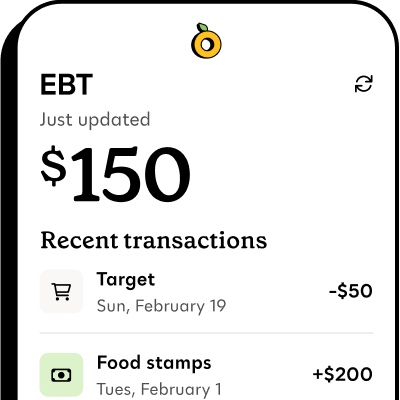
Propel is the #1-rated EBT balance checking app
Common reasons you might be ineligible for food stamps#common-reasons-you-might-be-ineligible-for-food-stamps
There are many reasons someone might still struggle to afford groceries after being denied food stamps or given a lower benefit amount than expected.
These include:
- Having income slightly over the SNAP income limit for your state
- Missing a document or recertification deadline and having a gap before you reinstate your food stamps
- Being a college student who doesn’t meet student rules
- Not meeting immigration status requirements
- Not meeting SNAP work requirements or submitting proof for a qualifying exemption
- Having your household size for food stamps counted differently than you expected
If you believe SNAP made a mistake and you should qualify, you have the right to appeal. Your denial letter should explain how to request a fair hearing. Most states require you to submit an appeal within 30 to 90 days.
Where can I find more food assistance?#where-can-i-find-more-food-assistance
Even if you were denied SNAP, you may still qualify for other programs and resources. Many food assistance programs have different income limits or eligibility rules than SNAP. In addition to the resources below you can read our guide on how to get free food which includes tips on using rewards programs and technology.
Resource #1: Food banks and food pantries#resource-1-food-banks-and-food-pantries
Food banks and local food pantries are the most well-known source of free groceries and meals in the United States. Most food banks don’t require an appointment or proof of income. Simply walk up, provide identification, and sometimes proof of family size, and sign up for weekly or monthly food packages. Food pantries often provide some mixture of canned goods, fresh produce, meat, and shelf-stable foods.
Resource #2: WIC (for pregnant people and families with young children)#resource-2-wic-for-pregnant-people-and-families-with-young-children
WIC is another government program that provides nutrition assistance to families. However, unlike food stamps, WIC, which stands for the Special Supplemental Nutrition Program for Women, Infants, and Children, is only available for pregnant people, postpartum parents, infants, and children under age five. WIC income limits are different from SNAP. Some families who do not qualify for SNAP may still qualify for WIC. Families can get both SNAP and WIC at the same time if they are eligible for both programs.
Resource #3: TANF (cash EBT or welfare)#resource-3-tanf-cash-ebt-or-welfare
TANF, also called Temporary Assistance for Needy Families or Cash EBT, provides monthly cash assistance to very low-income families with children. The money can be used to purchase groceries, pay rent, cover utilities, or handle other basic needs. TANF income limits are usually very strict and typically apply only to families with children. TANF is state run, so eligibility rules vary and depending on the state.
Resource #4: Unemployment (for recent job loss or reduced hours)#resource-4-unemployment-for-recent-job-loss-or-reduced-hours
If you recently lost your job or had your hours reduced at work, unemployment benefits may help replace part of your income. Unemployment is not a food program, but it can provide weekly cash payments that help you cover essential expenses, including groceries. Learn how to apply for unemployment in 9 steps.
Resource #5: SSI (Supplemental Security Income)#resource-5-ssi-supplemental-security-income
SSI provides direct cash support to people who are disabled, age 65 or older, and have very limited income and resources. Some people who do not qualify for SNAP due to household income may qualify for SSI if they have a disability and meet federal income and asset limits. If you qualify for SSI, you may also automatically qualify for SNAP in some states.
Resource #6: School and summer meal programs#resource-6-school-and-summer-meal-programs
If you have children, they may qualify for free school breakfast and lunch, reduced-price school meals through the National School Lunch Program (NSLP), and summer meal programs like Summer EBT. Some states now offer free school meals to all students. In other states, eligibility may depend on income.
Resource #7: Community and nonprofit programs#resource-7-community-and-nonprofit-programs
Local organizations often offer emergency food support including churches offering food boxes, community centers serving hot meals, nonprofits providing grocery vouchers, and meal delivery programs for seniors, among others. These programs usually have fewer income requirements than SNAP and may help immediately. If you’re not sure what programs are available in your area, call 211 or visit 211.org. A 211 operator can connect you to food pantries, meal programs, and other local resources.
What other discounts can I use to free up my budget for groceries?#what-other-discounts-can-i-use-to-free-up-my-budget-for-groceries
If food assistance isn’t enough, finding discounts or savings for other regular bills can help free up some room in your budget for groceries.
Here are some ways to lower your other monthly expenses:
- Utility and energy expenses — The Low Income Home Energy Assistance Program (LIHEAP) helps low-income families pay heating and cooling bills during high-bill seasons. Sometimes other state and local programs offer ways to save on utility bills like electricity and gas
- Health insurance and medical costs — You can get free or low cost health coverage through government programs like Medicaid and CHIP for low-income families, Medicare for people with disabilities and seniors, or check for discounts through the federal health insurance marketplace.
- Childcare and daycare costs — There are many programs that support childcare assistance for low-income families including the Head Start Program, State childcare subsidy programs, and Temporary Assistance for Needy Families (TANF)
- Housing costs — If rent or housing costs are your biggest challenge, there may be emergency programs that help prevent eviction, cover back rent, or connect you to local resources. Learn more about how emergency housing assistance works.
- Transportation costs — If transportation is using up your budget, there may be discounts that lower commuting costs so you have more money for groceries. In many cities, people can qualify for discounted public transit passes, reduced fare programs, and free or discounted rideshare or scooter programs.
If you’re not sure what programs are available in your area, you can call 211 to speak with a local operator or visit 211.org. 211 is a free nationwide service that connects people to food pantries, bill assistance programs, housing support, childcare help, and other local resources. You can also contact your local human services office or search your state’s benefits websites for more information.