What is an EBT card?
Our editorial promise
All of our Propel editorial content meets our high bar for accuracy, timeliness, trust, and relevance. Our pages are edited and fact-checked to make sure we meet our mission of giving you information you can rely on.
Learn more about our editorial standards.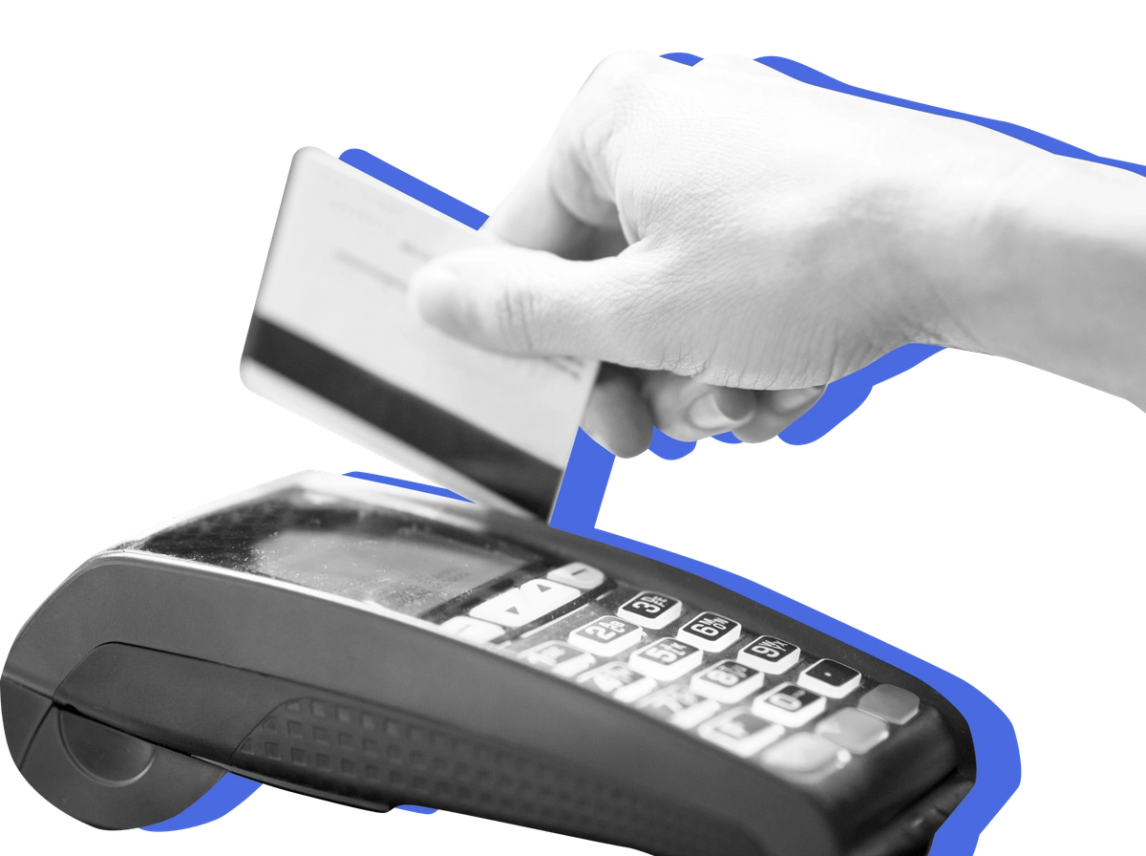

An EBT ( Electronic Benefits Transfer) card is what you use to access government benefits like SNAP (Supplemental Nutrition Assistance Program) and TANF ( Temporary Assistance for Needy Families). EBT cards look like regular debit cards but have specific spending rules about where you can shop and what you can buy.
EBT accounts are managed by your state human services agency rather than a traditional bank. Each month that you qualify for food stamps or cash assistance, your state adds money to your EBT account.
You can check your EBT balance using an app like Propel, through your state’s online benefits portal, over the phone, or by checking your most recent receipt.
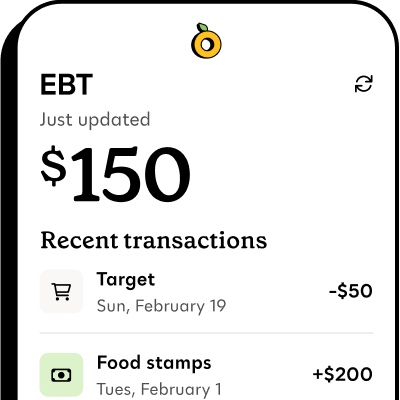
Propel is the #1-rated EBT balance checking app
What is an EBT card used for?#what-is-an-ebt-card-used-for
An EBT card is used for spending the money you get through benefits programs like SNAP (sometimes called food stamps) and TANF (sometimes called cash EBT or welfare).
You can use your EBT card to buy eligible groceries at lots of stores, including major retailers like Target and Costco, local grocery stores, farmers markets, and any business displaying the SNAP/EBT acceptance sign. There are also online retailers that accept EBT, like DoorDash and Amazon.
Restaurants that participate in the Restaurant Meals Program (RMP) take EBT cards, but only if you qualify for the program.
If you receive cash benefits, you can also withdraw funds from ATMs or get cash back at certain stores. Cash EBT can be spent on a wider range of things, including rent and everyday essentials like toiletries and pet food.
What is the difference between an EBT card and a debit card?#what-is-the-difference-between-an-ebt-card-and-a-debit-card
While an EBT card looks like a regular debit card, there are key differences:
- EBT cards can only be used at authorized retailers
- SNAP benefits on your EBT card can only used on eligible food items
- You can withdraw cash benefits but you can't withdraw SNAP benefits as cash
- EBT cards don't connect to a traditional bank account
- There are no overdraft fees with EBT cards
What's the difference between EBT, SNAP, food stamps, WIC, cash assistance, and TANF?#whats-the-difference-between-ebt-snap-food-stamps-wic-cash-assistance-and-tanf
It's easy to get confused about these programs since they're often mentioned together:
- EBT is the electronic system used to deliver benefits—not a program itself
- SNAP (formerly called food stamps) provides food assistance to eligible households
- Cash assistance/TANF provides funds for non-food necessities like housing and utilities
- WIC supports pregnant people, new parents, and children under 5 with specific nutritional foods and resources through a separate eWIC card
You might qualify for more than one program—many people receive both SNAP and WIC benefits.
What does an EBT card look like?#what-does-an-ebt-card-look-like
EBT cards look different in every state and usually have designs with state-specific imagery like landscapes, produce, or state symbols. They sometimes have mottos (like South Carolina's "Think Healthy, Eat Healthy!").
But every EBT card will have:
- A 16-digit EBT card number
- Your name
- A magnetic stripe on the back
In early 2025, California became the first state to introduce chip-enabled, tap-to-pay EBT cards that are more secure than cards that just have magnetic stripe technology. Since then, several more states have started issuing chip-enabled EBT cards.
New EBT cards arrive in a plain white envelope for privacy. When you use it at stores, it looks like you're using a regular debit or credit card.
How to get an EBT card#how-to-get-an-ebt-card
To get an EBT card, you need to apply for benefits through your state's SNAP or TANF program. If you’re eligible for SNAP benefits, states are required to approve your application within 30 days (or seven if you qualify for expedited assistance). Once approved, your EBT card will arrive in a plain white envelope within seven business days.
Your application may qualify for expedited processing (within 7 days) if you have less than $150 in monthly income and less than $100 in available resources, or if your rent and utilities are more than your combined income and available resources.
Who is eligible for an EBT card?#who-is-eligible-for-an-ebt-card
Qualifying to get an EBT card with SNAP benefits depends primarily on three key factors:
- Your monthly income: Your income from the last 30 days must be under the limit for your household size. For example, a single person typically needs to make $2,510 or less per month before taxes (gross income). If you pay child support or have recurring medical bills, those payments may be deducted from your income calculation.
- Your household size: Your "household" includes everyone who buys and prepares food together. The more people in your household, the higher the income limit.
- Your immigration status: You must be a U.S. citizen or have eligible immigration status. Refugees and asylees may qualify immediately, while lawful permanent residents typically need to wait 5 years.
In most states, able-bodied adults without dependents (ABAWDs) ages 18–54 must meet work requirements for SNAP benefits, including:
- Registering for work
- Not quitting or reducing hours at your current job
- Accepting job offers
- Joining employment training (if your state requires)
Many groups don't need to meet these requirements, including seniors, pregnant people, and those who are exempt for other reasons.
College students may qualify for SNAP if they meet eligibility requirements and at least one exemption, such as participating in federal work study or working at least 20 hours per week.
Gig workers and self-employed people can qualify—typically only 60% of your earnings count toward the income limit
How to use an EBT card#how-to-use-an-ebt-card
Activating your EBT card#activating-your-ebt-card
Before you get started, you can call your state’s EBT customer service number if you have questions or need guidance.
Alabama
800-997-8888
Alabama
800-997-8888
Alaska
888-997-8111
Alaska
888-997-8111
Arizona
888-997-9333
Arizona
888-997-9333
Arkansas
800-997-9999
Arkansas
800-997-9999
California
877-328-9677
California
877-328-9677
Colorado
888-328-2656
Colorado
888-328-2656
Connecticut
888-328-2666
Connecticut
888-328-2666
Delaware
800-526-9099
Delaware
800-526-9099
Florida
888-356-3281
Florida
888-356-3281
Georgia
877-423-4746
Georgia
877-423-4746
Guam
866-937-4826
Guam
866-937-4826
Hawaii
888-328-4292
Hawaii
888-328-4292
Idaho
888-432-4328
Idaho
888-432-4328
Illinois
800-678-5465
Illinois
800-678-5465
Indiana
877-768-5098
Indiana
877-768-5098
Iowa
800-359-5802
Iowa
800-359-5802
Kansas
800-997-6666
Kansas
800-997-6666
Kentucky
888-979-9949
Kentucky
888-979-9949
Louisiana
888-997-1117
Louisiana
888-997-1117
Maine
800-477-7428
Maine
800-477-7428
Maryland
800-997-2222
Maryland
800-997-2222
Massachusetts
800-997-2555
Massachusetts
800-997-2555
Michigan
888-678-8914
Michigan
888-678-8914
Minnesota
888-997-2227
Minnesota
888-997-2227
Mississippi
866-512-5087
Mississippi
866-512-5087
Missouri
800-997-7777
Missouri
800-997-7777
Montana
866-850-1556
Montana
866-850-1556
Nebraska
877-247-6328
Nebraska
877-247-6328
Nevada
866-281-2443
Nevada
866-281-2443
New Hampshire
888-997-9777
New Hampshire
888-997-9777
New Jersey
800-997-3333
New Jersey
800-997-3333
New Mexico
800-283-4465
New Mexico
800-283-4465
New York
888-328-6399
New York
888-328-6399
North Carolina
888-622-7328
North Carolina
888-622-7328
North Dakota
800-630-4655
North Dakota
800-630-4655
Ohio
866-386-3071
Ohio
866-386-3071
Oklahoma
888-328-6551
Oklahoma
888-328-6551
Oregon
888-997-4447
Oregon
888-997-4447
Pennsylvania
888-328-7366
Pennsylvania
888-328-7366
Puerto Rico
877-467-4832
Puerto Rico
877-467-4832
Rhode Island
888-979-9939
Rhode Island
888-979-9939
South Carolina
800-554-5268
South Carolina
800-554-5268
South Dakota
800-604-5099
South Dakota
800-604-5099
Tennessee
888-997-9444
Tennessee
888-997-9444
Texas
800-777-7328
Texas
800-777-7328
Utah
800-997-4444
Utah
800-997-4444
Vermont
800-914-8605
Vermont
800-914-8605
Virginia
866-281-2448
Virginia
866-281-2448
Washington
888-328-9271
Washington
888-328-9271
Washington D.C.
Washington D.C.
West Virginia
866-545-6502
West Virginia
866-545-6502
Wisconsin
877-415-5164
Wisconsin
877-415-5164
Wyoming
877-290-9401
Wyoming
877-290-9401
When your EBT card first arrives:
- Call the number on the back of your card
- Set up a secure PIN—avoid obvious combinations like 1234
- Your card is now ready to use at approved retailers
Shopping with your EBT card#shopping-with-your-ebt-card
Using your EBT card is straightforward:
- Find a store near you that accepts EBT
- Check your balance with an app like Propel and budget for what you need
- Swipe your card at checkout
- Enter your PIN
- Tell the cashier or enter the amount of benefits you want to use
You can use SNAP benefits to buy:
- Fruits and vegetables, including frozen products
- Meat and fish like deli meats and salmon filets
- Dairy products like milk, cheese, yogurt, and butter
- Bread, cereal, and grains like rice, pasta, and oatmeal
- Snack foods like chips, granola bars, cookies, and ice cream
- Nonalcoholic beverages like juice, soda, and bottled water
- Seeds and plants that produce food like tomato plants and herb seedlings
You cannot use SNAP benefits for:
- Alcohol or tobacco
- Vitamins or medications, including vitamin supplements and protein powders
- Hot prepared foods like rotisserie chicken and hot deli items
- Non-food items like soap, paper towels, pet food, and diapers
If you're buying both eligible and non-eligible items, ask the cashier to ring up non-SNAP items separately so you can pay for them with another method.
Remember that SNAP benefits are meant to supplement your food budget—they may not cover all your grocery needs throughout the month.
Keeping your EBT account information safe#keeping-your-ebt-account-information-safe
EBT theft is a serious crime affecting families across the country. Scammers use tactics like skimming and phishing to steal your EBT card information and access your benefits without permission.
- Keep your EBT card in a safe place
- Keep your EBT PIN secret and hide the PIN pad from other people when entering it
- Change your PIN before your benefits arrive each month
- Check your EBT balance regularly and watch for charges you don't recognize (Propel can help with suspicious transaction monitoring through the Propel app)
- Never respond to texts or calls about your EBT card that could be scams
- Enable out-of-state transaction-blocking and card-locking if those features are available in your state—check your state's benefits website for more information on these tools
Renewing your EBT account on-time#renewing-your-ebt-account-on-time
Missing a deadline to renew your benefits is the most common way people lose their benefits even if they’re still eligible. Always remember to:
- Submit renewal paperwork by the deadline (typically every 6 months)
- Update your address if you move
- Respond to all communications from your SNAP office
Getting the most out of your EBT card#getting-the-most-out-of-your-ebt-card
A few final tips for using your EBT card:
- Any unused benefits roll over to the next month, but they'll eventually expire after a certain period—check your state's rules for details
- If you're traveling, you can use your EBT card in other states, but using it consistently outside your home state may raise questions about your residency
- If you lose eligibility for SNAP or some other benefit program, any amount you have left on your EBT card is still yours to use
Having an EBT card may mean you qualify for certain discounts like free admission to museums and zoos or other programs like Lifeline for discounted data and phone plans