When were paper food stamps phased out?
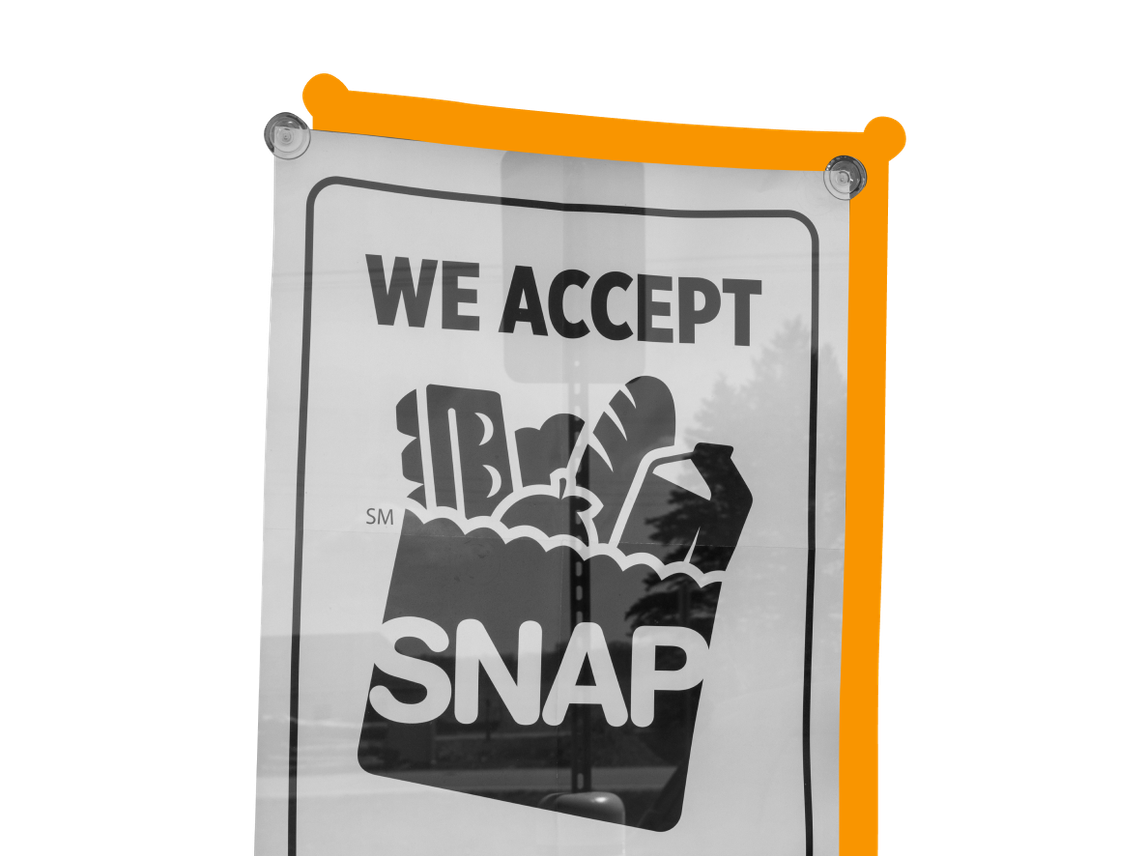

A form of SNAP (the Supplemental Nutrition Assistance Program) has been around in the U.S. since the program's initial start in 1939.
What originally started as color-coded, paper food stamps transitioned to modern SNAP and moved to EBT (Electronic Benefits Transfer) cards in the early 2000s.
Here’s more about how food stamp benefits were distributed and why the program transitioned from physical stamps to digital cards.
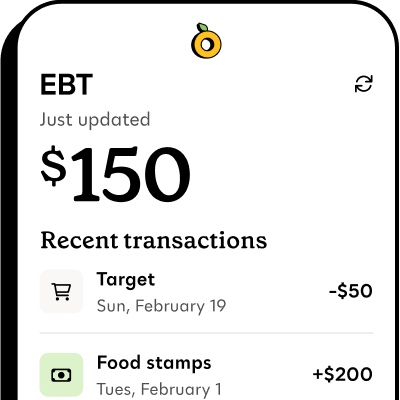
Propel is the #1-rated EBT balance checking app
A brief history of paper food stamps#a-brief-history-of-paper-food-stamps
SNAP was started in 1939, during the Great Depression to address the dual problems of:
- Collapsing farm prices
- National hunger
SNAP was meant to help American farmers struggling to sell their goods, as well as families who needed financial assistance covering basic food needs.
The first paper food stamps were introduced in Rochester, New York, in 1939. Participants in the program purchased orange stamps, and for every dollar spent on an orange stamp, they’d get 50 cents worth of blue stamps.
Orange stamps could be used to buy any food, but blue stamps were reserved for purchasing food that was labeled a surplus by the U.S. Department of Agriculture.
Participants would get blue stamp items at a discount, the USDA subsidized the cost by buying that extra stock from farmers.
The 60s revival#the-60s-revival
This original food stamp program was phased out in 1943. It wasn’t until 1961 that another food stamp program was created under President John F. Kennedy.
Participants purchased food stamps, but the USDA no longer prioritized surplus foods. By 1964, the Food Stamp Act was passed, which provided much of the framework and regulations we still use today.
At this point, SNAP still ran on paper food stamps, but now, participants received them by mail or through their local benefits office.
Introducing EBT cards: food stamps go digital#introducing-ebt-cards-food-stamps-go-digital
In the decades that followed, different amendments and acts shaped SNAP, but there was very little done to address fraud and delays in benefit delivery until the late 80s.
The Hunger Prevention Act of 1988 authorized the first EBT pilot program. EBT made transactions more seamless between retailers and participants, as well as participants and the government. Participants could receive their benefits almost instantly, unlike paper stamps, which had to be picked up or mailed out.
EBT was also introduced to help curb SNAP fraud. Since transactions were digitally recorded, it made it easier for states to flag violations.
With EBT, the rate of food stamp trafficking (where participants exchange food stamps for cash) dropped from 4% in the early 90s to 1% in the 2000s.
EBT also made it easier for participants to receive benefits from other programs, including Temporary Assistance to Needy Families (TANF). Instead of coordinating stamps across different benefits programs, the value can all go on the same EBT card.
EBT cards and safety#ebt-cards-and-safety
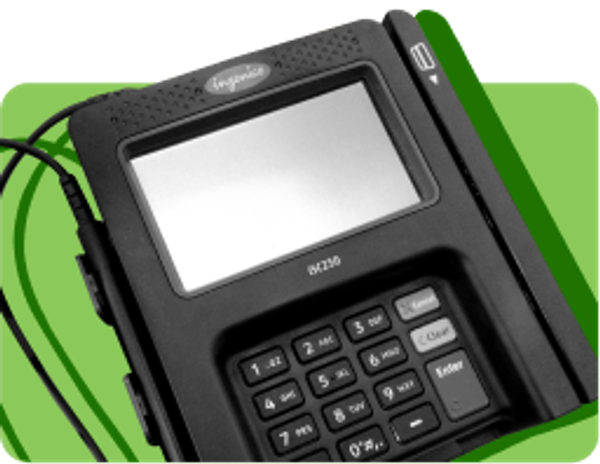
By 2002, EBT cards replaced paper food stamps entirely, making the entire process digital. Not only does EBT make the delivery of benefits more efficient, but it also makes them more secure, reducing the likelihood of fraud or theft.
While EBT is generally more secure than paper food stamps, EBT theft is still an ongoing issue.
In 2025, California introduced tap-to-pay chip EBT cards for CalFresh, which can reduce the likelihood of theft through illegal skimming devices.
But chip cards are still not available for most EBT card-users, so the best way to protect yourself from EBT theft is to change your EBT PIN monthly, never share your card info, and keep a close eye on your benefits using a trusted EBT balance-checking app like Propel, which can allow you to lock your card, block out-of-state transactions, block online transactions, and more.