Do states ever give extra food stamps?


No, states don’t usually give extra food stamp benefits, but there are specific situations where someone may get faster approval, replacement SNAP benefits after theft, or receive some other type of benefits that can seem like “extra food stamps.”
In many cases, what looks like extra food stamps is actually:
- Emergency SNAP (sometimes called expedited SNAP or emergency food stamps)
- Theft reimbursement or replacement benefits
- D-SNAP or disaster assistance
- A different program, like TANF cash assistance, or Summer EBT, which sometimes uses the same EBT card as regular SNAP
Here’s how food stamps benefit amounts usually work, when states might issue what looks like extra benefits, and where to find help fast if you need additional support affording food.
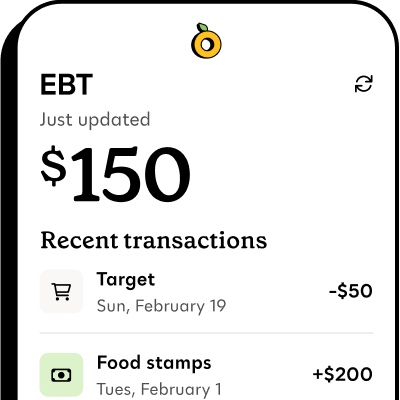
Propel is the #1-rated EBT balance checking app
I got an extra deposit this month, is it extra food stamps?#i-got-an-extra-deposit-this-month-is-it-extra-food-stamps
There’s generally no such thing as “extra food stamps,” but sometimes you may think you or someone you know received an extra food stamp deposit when it was really something else.
Here’s some situations that commonly get confused for extra food stamps:
A benefit increase after recertification, reported change, or policy updates#a-benefit-increase-after-recertification-reported-change-or-policy-updates
SNAP looks at your income, expenses, and household size to calculate your monthly benefit amount. If you report a change in any of those things, or a change is discovered at recertification, your benefit amount may increase (or decrease) at your next deposit.
Your benefit amount can also change because of federal SNAP rules like cost-of-living adjustments or new laws. While this increase can feel like “extra food stamps,” it’s actually a recalculation of your regular benefit amount, not a bonus or special payment.
Expedited or Emergency SNAP#expedited-or-emergency-snap
Emergency SNAP could easily be confused with “extra food stamps.” But Emergency SNAP is not a separate program; it’s just a way to get SNAP benefits faster.
Emergency SNAP means that if you have a very low-income and urgent need, your application for SNAP can be processed in seven days instead of the usual 30. It’s the same SNAP program, but has a faster application review for those with urgent needs.
Replacement SNAP benefits for theft or loss#replacement-snap-benefits-for-theft-or-loss
Though the program ended in late 2024, the government used to reimburse stolen SNAP benefits. During this time, many people who reported their benefits were stolen had some benefits reloaded to their EBT card. These were replacement benefits, not bonus or “extra” food stamps.
As of Jan. 2026, only two states, Maryland and California, offer programs to reimburse stolen EBT benefits.
Disaster SNAP (D-SNAP)#disaster-snap-d-snap
After a federally declared disaster, some states offer temporary Disaster SNAP. Disaster SNAP, also called D-SNAP, lets families request extra or replacement SNAP benefits when they’ve lost food in disasters like power outages or have been displaced from their homes.
D-SNAP is time-limited and location-specific, not an ongoing increase.
A different program using the same EBT card#a-different-program-using-the-same-ebt-card
Funds from TANF (cash EBT) or Summer EBT (seasonal benefits for families who receive free or reduced-price school meals) come on an EBT card and can be used at SNAP eligible grocery stores so they may seem like “extra food stamps.”
Some states even load these benefits on the same EBT card that you use for SNAP.
However, even if the Summer EBT money appears on the same card, or a similar card, it comes from a different program and is not “extra food stamps.”
How do food stamps benefit amounts work?#how-do-food-stamps-benefit-amounts-work
Your food stamp benefit amount is a fixed, monthly amount of money that is deposited onto your EBT card each month. Your benefit amount is based on your household size, income, and other expenses, like rent and utilities.
When you’re approved for SNAP, the state sends you a SNAP approval letter that shows:
- Your monthly benefit amount
- When your benefits will be deposited (for example the first day of the month)
- Your certification period (how long your case is approved until you have to recertify)
If you don’t have your SNAP approval letter, you can check your current benefit amount by looking at recent deposits in your state’s benefits portal or using a trusted EBT balance-checking app like Propel.
Does my SNAP benefit amount ever change?#does-my-snap-benefit-amount-ever-change
Yes, typically, your benefit amount is updated each year during your recertification period (often every six to 12 months) when your eligibility for SNAP is renewed.
Your food stamp benefit amount can change in between certification periods if you report changes to SNAP like:
- Changes to income (job loss, demotion, raise, or other new income)
- Changes to expenses (rent, medical, childcare, utilities)
- Changes to household size (someone moves in or out or a new baby is born)
If your SNAP benefit amount changes, your state will generally send you a notice in the mail explaining why.
Where can I find more food assistance?#where-can-i-find-more-food-assistance
If SNAP isn’t enough right now, there are other programs and community resources that can help you get food quickly. Here’s a quick overview of the most common resources:
- Food banks and food pantries: Local food banks and pantries provide free groceries and meals. Many allow walk-ins and don’t require proof of income or SNAP enrollment
- WIC (for pregnant people and families with young children): WIC provides monthly food benefits, formula, and nutrition support. You can receive WIC and SNAP at the same time
- TANF (cash EBT): If you’re experiencing unexpected financial challenges, have a very low-income, and are low on cash, Temporary Assistance for Needy Families, also known as EBT cash, can help with extra money to spend on bills and free up funds for groceries
- School and summer meal programs: If you have children, they may qualify for free or reduced-price meals at school, and summer meal programs, even if your household doesn’t receive SNAP
- Community and nonprofit programs: Churches, community centers, and local nonprofits often offer emergency food boxes, meal vouchers, or hot meals
If you’re not sure what’s available near you, you can call 211 or visit 211.org to get connected to food pantries, meal programs, and other local resources in your area.