Who is exempt from SNAP work requirements in Florida?
Our editorial promise
All of our Propel editorial content meets our high bar for accuracy, timeliness, trust, and relevance. Our pages are edited and fact-checked to make sure we meet our mission of giving you information you can rely on.
Learn more about our editorial standards.

New national legislation passed in 2025 expanded work requirement rules for SNAP recipients across the country—that means more people have to show proof they’re meeting the requirements or risk losing their benefits.
But many people in Florida may be exempt from these work requirements (meaning they don’t have to meet them) and not even know it.
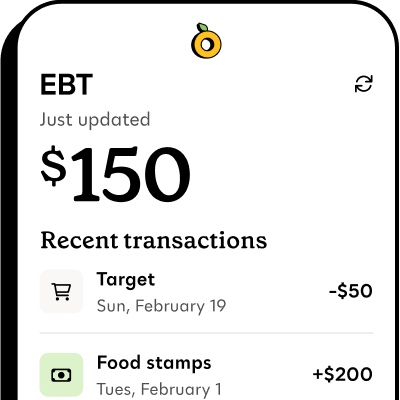
Propel is the #1-rated EBT balance checking app
What does a SNAP work exemption mean?#what-does-a-snap-work-exemption-mean
As of November 1, 2025, if you get SNAP benefits in Florida and you're considered an “able-bodied adult without dependents” (ABAWD), be prepared to show you’re working, volunteering, or in a training program for at least 20 hours a week (or 80 hours a month), or earning at least $217.50 a week before taxes. If you don’t do this, you won’t be able to get SNAP benefits for more than three months in a three-year period.
None of your months count until the Department of Children and Families (DCF) has screened you for exemptions, which will happen at your next renewal. If you qualify for an exemption, that means you don’t have to meet the SNAP work requirements.
You may be exempt from the ABAWD SNAP work requirements in Florida if you are:
- 65 or older
- Under 18
- Responsible for the care of a dependent child under 14
- Medically certified as physically or mentally unfit for employment
- Receiving Supplemental Security Income (SSI) or Social Security Disability Income (SSDI)
- Currently pregnant
- An American Indian, Alaska Native, Urban Indian, or California Indian who qualifies under federal rules
- Enrolled at least half-time in a recognized school, training, or college program
- Providing care for someone who cannot care for themselves, or for a child under age six, even if they don't live with you
- Already meeting work requirements for another program, like Temporary Cash Assistance (TCA), Refugee Services Employment Provider, Match Grant Program, or receiving or applying for unemployment benefits
- A regular participant in a drug or alcohol addiction treatment and rehabilitation program (This does not include Alcoholics Anonymous, Narcotics Anonymous, or Sober Living Houses)
Veterans, people experiencing homelessness, and youth aging out of foster care used to be part of this list, but are no longer automatically exempt and will now need to meet these work requirements.
How do I report a SNAP work exemption in Florida?#how-do-i-report-a-snap-work-exemption-in-florida
Once you know you qualify for an exemption, you should tell your local DCF office. You can report an exemption when you apply for SNAP, during your SNAP renewal (recertification), or anytime your circumstances change and you think you qualify.
For many exemptions, telling your caseworker is enough. Florida generally accepts your word for it unless something about your situation needs a closer look.
Here’s how to report that you’re exempt in Florida:
- Online: Through MyACCESS
- By phone: DCF Customer Contact Center, (850) 300-4323
- In person: Find a Family Resource Center near you
What documents do I need to prove an exemption?#what-documents-do-i-need-to-prove-an-exemption
Some exemptions are confirmed automatically from what's already in your case file; others need documentation.
Make sure your information on file is current and accurate, and tell DCF about any changes that could affect your exemption.
Here’s what you might need for each kind of work requirement exemption:
If you’re 65 or older, or under 18#if-youre-65-or-older-or-under-18
No extra proof needed—your age is already on file with your case.
If you’re living with a child under 14#if-youre-living-with-a-child-under-14
No extra proof needed. This is usually confirmed from the household information that’s already in your case file. You don't need to be the child's parent or have legal custody, and more than one adult in your household can qualify for the exemption based on the same child.
If you’re physically or mentally unable to work#if-youre-physically-or-mentally-unable-to-work
If you can't work because of a physical or mental condition—including if you are two months post-partum—Florida DCF may ask for proof, like a written or verbal statement from a physician, physician's assistant, nurse, nurse practitioner, licensed or certified psychologist, social worker, or other medical personnel showing you're unfit for employment.
Proof that you receive SSI or Social Security Disability Insurance (SSDI) also counts. If your condition is obvious to your eligibility specialist, for example, you're in a cast, or it's otherwise clear you can't work, you typically won't need additional documentation.
If you’re pregnant#if-youre-pregnant
Just telling your caseworker is usually enough. Florida will only ask for medical documentation of your due date under certain circumstances.
If you’re a member of a certain Native American or Alaska Native tribe or group#if-youre-a-member-of-a-certain-native-american-or-alaska-native-tribe-or-group
Self-reporting is enough to qualify for this exemption—you don't need to provide documentation unless your caseworker has a specific reason to ask for it.
If you’re enrolled at least half-time in school, training, or college#if-youre-enrolled-at-least-half-time-in-school-training-or-college
Telling your caseworker is generally enough. Florida may ask for something like a school verification letter or class schedule only if it needs to double-check.
If you’re responsible for the care of someone who cannot care for themselves#if-youre-responsible-for-the-care-of-someone-who-cannot-care-for-themselves
The person you care for doesn't need to live with you. Telling your caseworker is usually enough—your own statement is acceptable verification unless your caseworker has a specific reason to question it. If more information is needed, a doctor's statement confirming the person's condition typically works.
If you’re receiving or applying for unemployment benefits#if-youre-receiving-or-applying-for-unemployment-benefits
Florida calls unemployment benefits “Reemployment Assistance.” Telling your caseworker that you're receiving it, or that you've applied and registered for work with CareerSource as part of that application, is generally enough. DCF will typically only ask for something like your claim number or a benefit determination letter if it needs to double-check.
If you’re a regular participant in a drug or alcohol treatment program#if-youre-a-regular-participant-in-a-drug-or-alcohol-treatment-program
You'll need to provide documentation from your treatment program confirming you're actively participating. Florida specifically requires the provider to verify this. Alcoholics Anonymous, Narcotics Anonymous, and Sober Living Houses don't count on their own; the program has to be a certified treatment center for this exemption to apply.
How to appeal a SNAP work requirement determination in Florida#how-to-appeal-a-snap-work-requirement-determination-in-florida
If Florida denies your exemption, decides you're not meeting the work requirement, or cuts off your benefits because of the ABAWD time limit, you have the right to appeal. This is called a fair hearing.
How to request a hearing: Contact the DCF Appeal Hearings Section by phone at (850) 488-1429, by email at appeal.hearings@myflfamilies.com, by mail to Appeal Hearings Section, 2415 North Monroe Street, Suite 400-I, Tallahassee, FL 32303-4190, or online.
You don't need a lawyer to request one, though free legal help is available (see below).
Deadline to request a hearing: You have 90 days from the date on your notice to request a fair hearing.
Keeping your benefits during the appeal: To keep getting your current benefits while your appeal is pending, request the hearing by the last day of the month before the date your benefits are scheduled to stop. Your benefits can't continue past the end of your certification period even if your appeal is still pending, so if your certification ends first, you'll need to recertify separately.
If you win: Your SNAP benefits will be restored, including any missed while your appeal was pending.
If you lose: If you kept getting SNAP deposits while your appeal was pending, you may have to pay back any benefits you weren't eligible for.
Free legal help: Florida Legal Services, Community Legal Services (central Florida), Bay Area Legal Services (Tampa Bay area), Legal Aid Service of Broward County, or search Florida Law Help for a legal aid office near you.