Should you reapply or appeal if your SNAP application is denied?
Our editorial promise
All of our Propel editorial content meets our high bar for accuracy, timeliness, trust, and relevance. Our pages are edited and fact-checked to make sure we meet our mission of giving you information you can rely on.
Learn more about our editorial standards.


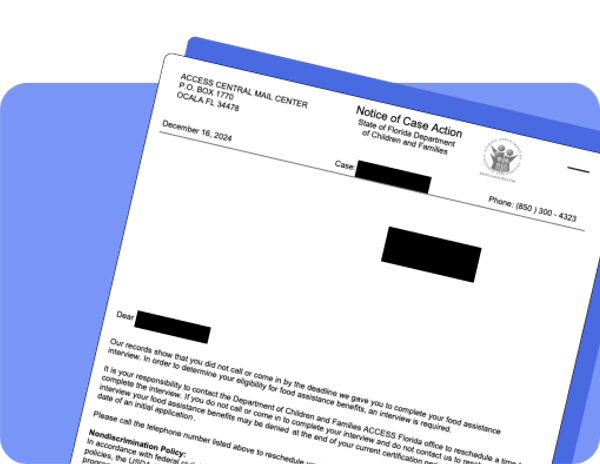
If your SNAP application or renewal is denied, you have two main options: appeal the decision or apply again. In many cases, the best option depends on why you were denied for SNAP benefits.
A tip: If your denial was caused by missing documents or a missed interview, contact your SNAP office as soon as possible before choosing either option. In some states, you may be able to reopen your original application or recertification without filing an appeal or starting over with a new application.
When should I appeal a SNAP denial?#when-should-i-appeal-a-snap-denial
A SNAP appeal is a formal request asking your state to review a decision made on your SNAP case. Appealing a SNAP denial means you are asking your state to determine whether your application or renewal should have been approved.
One advantage of appealing is that if you win, your benefits can be backdated to the date you originally applied or renewed. If you submit a new application, benefits usually begin from the date of the new application instead.
If your SNAP application or renewal was denied for any of the following reasons, it may make sense to consider appealing:
- Your income was calculated incorrectly
- Your household size was counted incorrectly
- The state did not consider documents you submitted
- You were denied for a reason you do not understand
- You believe you qualify for food stamps under your state’s SNAP rules
The appeals process varies by state, but it often begins with an informal discussion, phone call, or meeting where the state explains the reason for the denial and gives you an opportunity to ask questions or provide additional information.
If your SNAP renewal was denied and your benefits stopped, you may also be able to ask for aid paid pending (sometimes called continued benefits). If approved, this allows you to keep receiving SNAP benefits while your appeal is being decided. If you lose your appeal, you may have to repay any benefits you received during that time.
You can usually withdraw an appeal at any time if you change your mind.
When should I reapply for SNAP?#when-should-i-reapply-for-snap
Reapplying for SNAP often makes the most sense if your original application cannot be reopened, your household circumstances have changed, or you want a straightforward 30 day timeline for a decision and are okay with losing the possibility of backdated benefits.
You may want to consider reapplying to SNAP if:
- Your income has gone down
- You lost your job
- Your household size changed
- You missed a SNAP interview
- You forgot to submit required documents
- Your application was denied a while ago and you missed the appeal deadline
- You want a decision within 30 days or want to apply for expedited SNAP
If you decide to reapply, in most cases you can submit a new SNAP application immediately after a denial. You can also ask to be considered for expedited SNAP if you reapply, and if you qualify you can receive approval for SNAP within seven days.
If you decide to appeal instead and your household circumstances have changed, you must report those changes to your local SNAP office or caseworker. Even if you win your appeal, changes in circumstance can affect the amount of SNAP benefits you receive monthly.
Is it faster to appeal or reapply for SNAP?#is-it-faster-to-appeal-or-reapply-for-snap
In many cases, reapplying for SNAP can be faster than appealing a denial because your state can immediately begin processing a new application, which takes up to 30 days.
A SNAP appeal may take anywhere from 30 to 90 days, but if your denial was caused by a mistake and you win your appeal, your approved benefits can be backdated to your original application submission date—that means you’ll get more benefits than if you reapplied from scratch.
For example, if you originally applied for SNAP on April 15 and won your appeal on June 1, you could receive a one-time lump sum payment of benefits for April and May on your new EBT card in addition to your regular monthly SNAP deposit going forward.
If you're unsure about what to do, consider speaking with your caseworker or local SNAP office about which option is likely to resolve your case most quickly. You can also contact your local legal aid organization for free or low-cost help understanding a denial, filing an appeal, or protecting your rights throughout the process.
Can I appeal a denial and reapply for SNAP at the same time?#can-i-appeal-a-denial-and-reapply-for-snap-at-the-same-time
In many states, yes, you can appeal your SNAP denial and reapply for benefits at the same time.
Since a new SNAP application can take up to 30 days to process (or seven days if you qualify for expedited SNAP), some people choose to appeal a denial while also submitting a new application.
For example, you might want to:
- File an appeal because you believe your original denial was incorrect (typically 30 to 90 days to get an answer)
- Submit a new application so the state can begin determining your current eligibility right away (answer within 30 days)
This may help you get food stamp benefits sooner if you qualify under your new SNAP application, while still allowing you to challenge the original denial and possibly get backdated benefits if your appeal is successful.
Rules vary by state, so check in with your local SNAP office or caseworker if you're unsure whether you can do both at the same time.
What if my SNAP recertification was denied?#what-if-my-snap-recertification-was-denied
If your SNAP renewal or recertification was denied, your options are similar to after an initial application is denied. Depending on your state's rules, you may be able to:
- Request that your SNAP case be reopened
- Appeal the decision
- Reapply for SNAP benefits
If your benefits recently ended because you missed a renewal deadline, you may be able to have your SNAP benefits reinstated without filing a completely new application.
Reinstatement means your state reopens your existing SNAP case after you complete the missing requirements for renewal or recertification.
This is often faster than starting over with a brand-new application, and in some states your benefits may be restored back to the date they closed if you act quickly.
If you appeal your renewal denial, ask your local SNAP office whether you qualify for aid paid pending, which may allow you to keep receiving benefits while your appeal is pending. Keep in mind that if your appeal is unsuccessful, you may have to repay those benefits.
The rules for reinstatement vary by state. Some states allow reinstatement for a limited period after your benefits close, while others may require a new application if too much time has passed.
If you're unsure of your options, consider contacting your local legal aid organization. They can help you understand your rights, evaluate your case, and assist you with the appeals process.